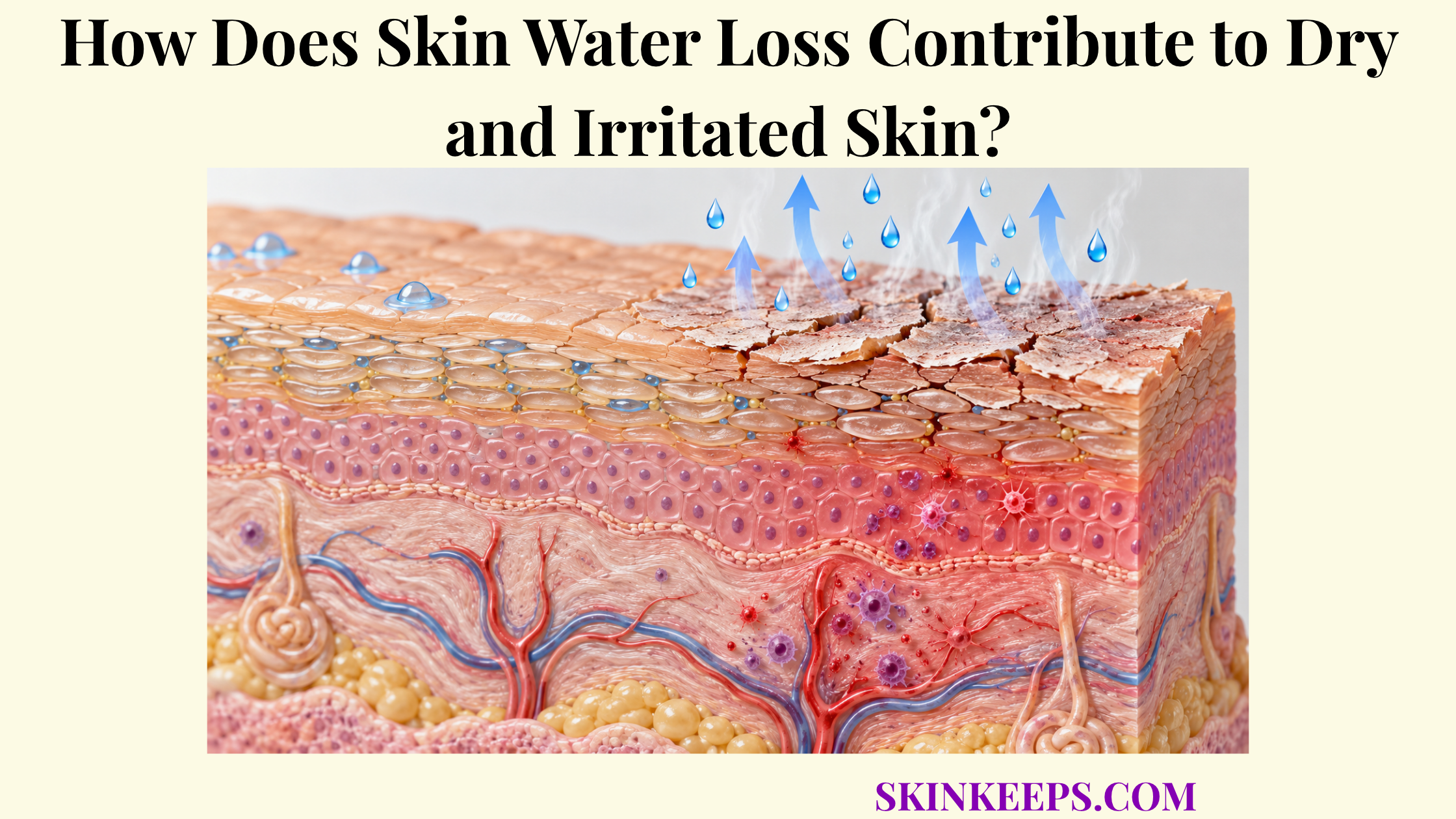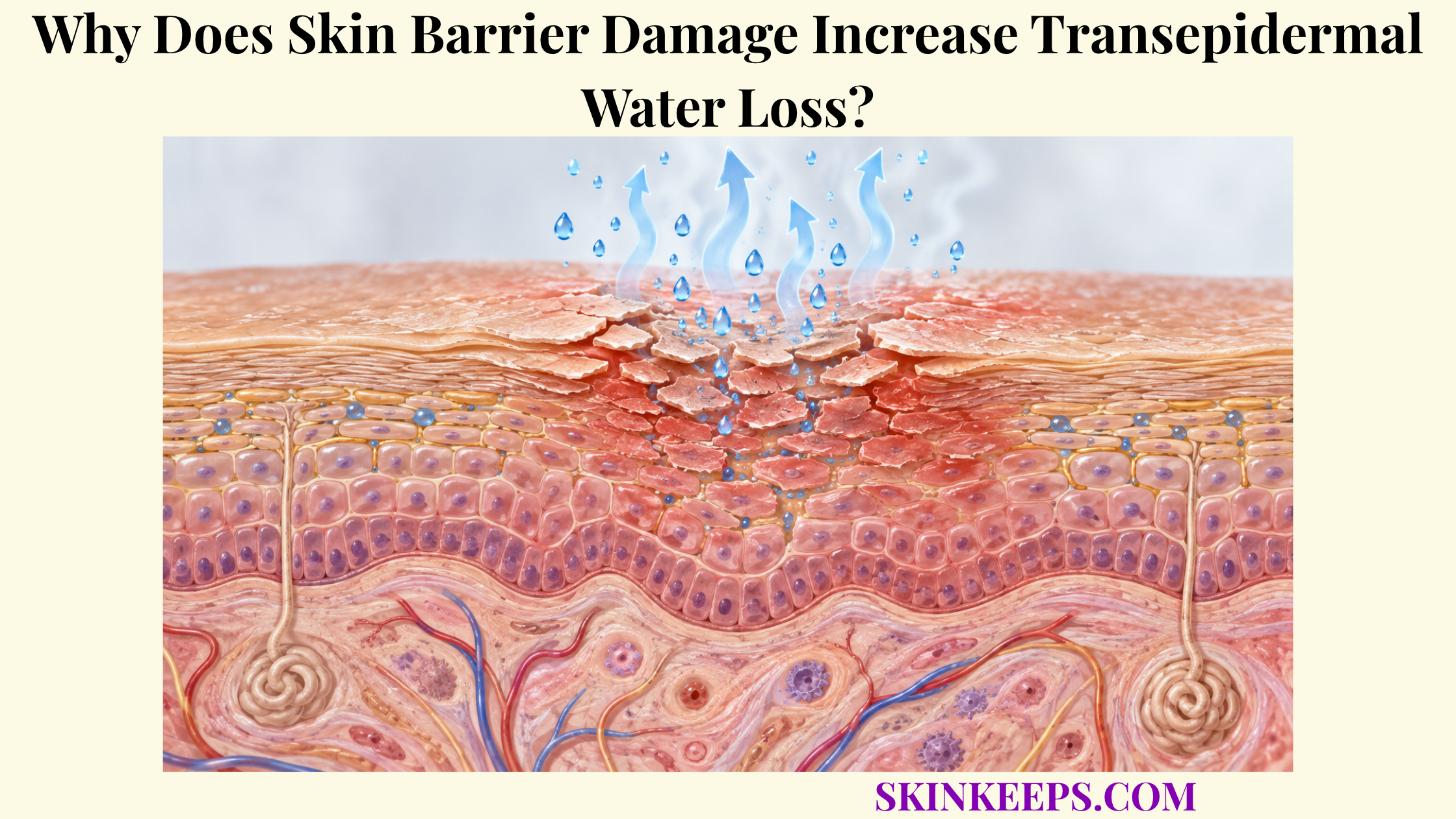

Skin can produce vitamin D3 because viable epidermal keratinocytes contain 7-dehydrocholesterol, a sterol that absorbs UVB photons and undergoes photochemical conversion into previtamin D3 before heat-dependent rearrangement produces vitamin D3. The initiating chemistry occurs because precursor molecules and vitamin-D-effective UVB can meet in living epidermal tissue, not because the skin senses systemic vitamin D need and deliberately adjusts production.
Skin synthesis is only the first stage; vitamin D3 must enter the circulation and undergo further processing, primarily in the liver and kidneys, before the endocrine pathway produces calcitriol. Cutaneous output varies with environment and biology, and this physiology does not justify intentional unprotected UV exposure because UV can continue damaging skin even after vitamin D production becomes self-limited.
Why Is the Skin an Important Site for Vitamin D Production?
The skin is an important site of vitamin D3 production because viable epidermal keratinocytes contain the precursor 7-dehydrocholesterol in a location where incoming UVB can trigger its photochemical conversion. The viable epidermis supplies both the biochemical substrate and the UV-accessible tissue compartment needed to initiate endogenous synthesis.
Why Does the Epidermis Contain 7-Dehydrocholesterol Needed for Vitamin D Synthesis?
The epidermis contains 7-dehydrocholesterol because it is an intermediate in sterol and cholesterol metabolism and is present within membranes of viable keratinocytes, where it also serves as the substrate for UVB-driven vitamin D3 photosynthesis. It is concentrated in living epidermal regions, particularly basal and suprabasal layers, rather than making the dead stratum corneum the main photosynthetic site.
This biochemical role prepares the first stage of skin 7-dehydrocholesterol conversion, but 7-DHC does not exist solely to make vitamin D.
Why Is UVB Exposure Required to Begin the Natural Cutaneous Pathway?
UVB is required because 7-dehydrocholesterol must absorb photons with sufficient wavelength-dependent energy to open its B-ring and form previtamin D3. Approximately 290–315 nm UVB is most relevant to natural cutaneous vitamin D photosynthesis, while broader ranges appear in some references because action spectra and waveband definitions are not absolute molecular borders.
UVA is not the principal initiator of normal cutaneous vitamin D3 synthesis. The first step is a UVB-driven photochemical reaction rather than a generic effect of sunlight at all wavelengths.
How Does Skin Production Contribute to the Body’s Vitamin D Supply?
Cutaneous synthesis can contribute substantially to total vitamin D supply when sufficient UVB reaches exposed skin, but its contribution varies widely with geography, season, pigmentation, age, clothing, photoprotection, exposed surface area, diet, supplementation, and personal behavior. There is no reliable universal percentage of vitamin D that every person obtains from sunlight.
Foods, fortified foods, supplements, and cutaneous synthesis can all contribute to vitamin D status, and the balance among those sources differs between individuals and populations.
| Skin component / factor | Main role | Vitamin D outcome |
|---|---|---|
| Viable epidermal keratinocytes | Contain 7-DHC substrate | Provide the biochemical site for photosynthesis |
| 7-Dehydrocholesterol | Absorbs vitamin-D-effective UVB | Forms previtamin D3 |
| UVB photons | Supply photochemical energy | Open the 7-DHC B-ring |
| Normal skin temperature | Drives spontaneous isomerization | Converts previtamin D3 toward vitamin D3 |
How Does UVB Radiation Trigger Cutaneous Vitamin D Synthesis?
UVB radiation triggers cutaneous vitamin D synthesis when photons reach epidermal 7-dehydrocholesterol and photochemically convert it into previtamin D3, which then spontaneously rearranges into vitamin D3 at normal skin temperature. The photochemical and thermal steps are both nonenzymatic and should be kept separate from later CYP-dependent metabolism.
How Does UVB Reach Vitamin D Precursors in the Epidermis?
A fraction of incident UVB penetrates the outer skin sufficiently to reach viable epidermal layers containing 7-DHC, although the amount that reaches those molecules depends on incoming UVB intensity, epidermal pigmentation, surface coverage, tissue optics, and exposed skin area.
Melanin absorbs ultraviolet photons and therefore competes for part of the incoming radiation before it reaches 7-DHC. Clothing, shade, and photoprotection can reduce the number of vitamin-D-effective photons reaching viable epidermis.
How Does UVB Convert 7-Dehydrocholesterol Into Previtamin D3?
When 7-dehydrocholesterol absorbs an appropriate UVB photon, its B-ring undergoes photochemical opening to form previtamin D3 without requiring an enzyme. This nonenzymatic photolysis is the defining initiating step in cutaneous synthesis.
How Does Heat-Driven Isomerization Convert Previtamin D3 Into Vitamin D3?
Previtamin D3 converts into vitamin D3 through a spontaneous temperature-dependent structural rearrangement rather than through a second UV reaction or an enzyme-controlled step. Vitamin D3 is also called cholecalciferol.
This distinction is central to skin previtamin D3: normal tissue temperature converts the photochemical product toward D3, but it does not activate vitamin D into calcitriol.
25(OH)D is the major circulating metabolite ordinarily measured to assess vitamin D status; calcitriol is the principal hormonally active form in classical calcium–phosphate regulation.
How Does Skin-Derived Vitamin D Become Biologically Active?
Skin-derived vitamin D3 becomes systemically active through sequential transport and hydroxylation: it enters the circulation, undergoes predominantly hepatic conversion to 25(OH)D, and is then converted mainly by the kidneys into calcitriol. The product made by skin is a precursor entering a larger endocrine pathway.
How Does Vitamin D3 Leave the Skin and Enter the Bloodstream?
Newly formed vitamin D3 enters the circulation and becomes associated with vitamin D-binding protein, which carries vitamin D and its metabolites through plasma to metabolic and target tissues. This circulating precursor is the next stage of skin-derived vitamin D.
The detailed cellular mechanism governing export of newly synthesized D3 from epidermal cells into circulation is less completely characterized than the later metabolic steps, so no named membrane transporter should be invented.
How Does the Liver Convert Vitamin D3 Into 25-Hydroxyvitamin D?
The liver converts vitamin D3 into 25-hydroxyvitamin D mainly through CYP2R1-mediated 25-hydroxylation, producing the major circulating metabolite used clinically to assess vitamin D status. 25-hydroxyvitamin D is abbreviated 25(OH)D and is also called calcidiol.
The liver is the principal site rather than the only tissue capable of 25-hydroxylation. The dedicated pathway is skin-derived vitamin D liver processing.
How Do the Kidneys Convert Vitamin D Into Active 1,25-Dihydroxyvitamin D?
The kidneys convert circulating 25(OH)D into 1,25-dihydroxyvitamin D through CYP27B1-mediated 1α-hydroxylation, providing the major regulated endocrine source of calcitriol. This renal step is the core of skin-derived vitamin D kidney activation.
Parathyroid hormone tends to stimulate renal calcitriol production, while fibroblast growth factor 23 tends to suppress it; calcium and phosphate status and calcitriol feedback also contribute to regulation.
Other tissues can express CYP27B1 and generate calcitriol locally for autocrine or paracrine functions, but kidney production dominates systemic endocrine regulation under ordinary conditions.
Which Factors Control How Much Vitamin D the Skin Can Produce?
Cutaneous vitamin D production varies because synthesis depends simultaneously on how much vitamin-D-effective UVB reaches the skin and how much usable 7-dehydrocholesterol is available within the epidermis. These factors that influence vitamin D production in the skin make cutaneous output highly variable rather than a predictable fixed dose.
How Do Latitude, Season, and Time of Day Change Available UVB?
Latitude, season, and time of day change vitamin-D-effective UVB by altering the solar zenith angle and therefore the atmospheric path that incoming radiation must traverse before reaching the skin. At larger solar zenith angles, more vitamin-D-effective UVB is attenuated before reaching ground level.
Ozone, altitude, clouds, aerosols, local weather, and geography further modify surface UVB, so no single latitude cutoff, calendar month, or clock-time window accurately applies to every location.
How Does Skin Pigmentation Influence UVB Absorption and Vitamin D Production?
Greater epidermal melanin can reduce the rate of cutaneous vitamin D synthesis because melanin absorbs UV photons that might otherwise reach 7-dehydrocholesterol. This effect is central to skin pigmentation and vitamin D synthesis, but it does not mean darker skin cannot synthesize vitamin D.
Actual vitamin D status depends on geography, behavior, clothing, diet, supplements, age, body composition, and individual physiology. No universal multiplier of sun exposure should be assigned by skin color or race.
How Do Age, Clothing, Shade, and Sunscreen Affect Cutaneous Synthesis?
Age can reduce cutaneous synthetic capacity by lowering epidermal 7-DHC availability, while clothing and shade reduce the amount or area of skin receiving UVB; sunscreen attenuates UVB at the surface, although its real-world effect on total vitamin D status varies. These conditions alter skin UVB availability or precursor access rather than changing the underlying chemistry.
Older skin generally has lower capacity for cutaneous D3 synthesis under comparable UVB exposure. Clothing physically blocks photons from covered skin, while shade reduces direct solar UV even though scattered radiation can remain.
Sunscreen can reduce UVB transmission and instantaneous vitamin D photochemistry when applied as intended. Real-world studies are not perfectly uniform: earlier reviews found little evidence of clinically important reductions in 25(OH)D with typical use, while a 2025 meta-analysis reported a modest average reduction across included studies. Sunscreen should not be deliberately reduced or omitted as a vitamin D strategy.
Why Does Excessive UV Exposure Not Produce Unlimited Vitamin D?
Excessive UV exposure does not produce unlimited vitamin D because prolonged irradiation converts accumulating previtamin D3 and vitamin D3 into alternative photoproducts such as lumisterol and tachysterol rather than allowing cutaneous D3 to rise indefinitely. This photochemical diversion creates a production plateau.
Photochemical self-limitation protects against unlimited vitamin D accumulation, not against UV-induced skin damage. Additional ultraviolet exposure can keep damaging DNA and tissue even when vitamin D3 production is no longer increasing proportionally.
| Factor | Main effect | Likely influence on cutaneous D3 synthesis | Essential nuance |
|---|---|---|---|
| Higher available UVB | More vitamin-D-effective photons reach skin | Increases opportunity for 7-DHC conversion | Only until photochemical limits are approached |
| Higher solar zenith angle | More UVB attenuated in atmosphere | Reduces synthesis opportunity | Varies by season, latitude, time and atmosphere |
| Greater melanin pigmentation | More competing UV absorption | Can slow D3 synthesis under comparable conditions | Does not prevent vitamin D production |
| Older age | Lower epidermal precursor availability | Reduces synthesis capacity | Magnitude varies individually |
| More skin covered by clothing | Less exposed epidermal area | Reduces cutaneous production opportunity | Depends on fabric and coverage |
| Shade | Reduces direct UVB | Usually lowers synthesis opportunity | Scattered UV still exists |
| Sunscreen | Attenuates UVB reaching skin | Can reduce instantaneous photochemistry | Typical real-world vitamin D impact is variable and evidence is mixed |
| Prolonged UV exposure | Converts precursors/products into alternate photoproducts | D3 production stops rising proportionally | Skin damage can continue increasing |
Why Is UVB-Driven Vitamin D Synthesis Important for the Body?
UVB-driven skin synthesis is physiologically important because it can supply vitamin D3 substrate for the endocrine pathway that maintains calcium and phosphate balance and supports normal skeletal mineralization. These classical mineral functions are the strongest established basis for vitamin D nutritional requirements.
How Does Vitamin D Support Calcium and Phosphate Regulation?
Calcitriol supports calcium and phosphate homeostasis by binding the vitamin D receptor, or VDR, and regulating gene expression that increases intestinal mineral absorption and coordinates mineral handling with the kidneys, parathyroid system, and skeleton.
Why Is Vitamin D Important for Bone Mineralization and Skeletal Health?
Vitamin D is essential for normal bone mineralization because adequate calcium and phosphate availability is required to form and maintain mineralized skeletal tissue. Calcium and phosphate contribute to hydroxyapatite formation while bone remodeling continually renews mineralized matrix.
Severe deficiency can impair mineralization and contribute to rickets in growing bone or osteomalacia in adults, but this physiology page does not diagnose or treat those conditions.
How Does Vitamin D Also Influence Muscle and Immune Function?
Vitamin D signaling participates in neuromuscular and immune biology because vitamin D receptors and vitamin-D-responsive genes are expressed in multiple tissues beyond the classical calcium-regulating organs. Vitamin D also participates in cellular growth and differentiation pathways.
Biological involvement does not prove that raising vitamin D above adequate levels prevents infections, autoimmune disease, cancer, cardiovascular disease, or other nonskeletal conditions.
| Vitamin D role | Main target / system | Physiological outcome |
|---|---|---|
| Calcium absorption | Intestine | Supports adequate calcium availability |
| Phosphate regulation | Intestine / kidney / bone endocrine axis | Supports mineral homeostasis |
| Skeletal mineralization | Bone | Supports normal mineralized matrix |
| Muscle biology | Skeletal muscle / neuromuscular system | Participates in normal muscle physiology |
| Immune signaling | Multiple immune-cell populations | Modulates immune-cell gene expression and function |
Evidence for calcium, phosphate, and skeletal roles is stronger for nutritional requirements than evidence for prevention of most nonskeletal diseases.
What Can Limit the Skin’s Vitamin D Synthesis Pathway?
The skin vitamin D synthesis pathway becomes less reliable when insufficient vitamin-D-effective UVB reaches epidermal 7-DHC or when biological factors reduce precursor availability, making cutaneous production highly variable rather than a dependable fixed dose.
How Can Low UVB Availability Reduce Vitamin D Formation?
Low UVB availability reduces vitamin D formation because fewer vitamin-D-effective photons reach epidermal 7-DHC, slowing or preventing the first photochemical step. This can occur with low solar elevation, some seasonal conditions, extensive covering, indoor lifestyles, atmospheric attenuation, or shade.
Low environmental UVB does not automatically equal vitamin D deficiency because serum status also reflects dietary intake, supplements, body stores, behavior, metabolism, and individual physiology.
Why Can Darker Pigmentation Reduce the Rate of Synthesis Under Comparable UVB Exposure?
Higher epidermal melanin can reduce the rate at which UVB reaches 7-DHC because melanin competes for some of the same incoming photons, so comparable UVB exposure can generate different amounts of previtamin D3 across pigmentation levels. Pigmentation alone cannot determine vitamin D status and should not be replaced by race as a biological shortcut.
How Can Aging Reduce Cutaneous Vitamin D Production Capacity?
Aging can reduce cutaneous vitamin D3 production because older epidermis generally contains less 7-dehydrocholesterol and therefore has less precursor available for photoconversion under comparable UVB conditions. This does not mean older skin loses all capacity to synthesize vitamin D3.
Why Should Vitamin D Needs Not Be Met Through Excessive Sun Exposure?
Vitamin D needs should not be met through deliberate excessive UV exposure because the vitamin D synthesis pathway becomes photochemically self-limited while UV radiation continues to cause DNA damage and increase skin-cancer risk. The American Academy of Dermatology advises against intentional sun exposure or indoor tanning as a vitamin D strategy.
Healthy adults can obtain vitamin D through foods naturally containing vitamin D, fortified foods, and—when medically appropriate—supplementation without deliberately pursuing unprotected ultraviolet exposure. There is no established universal safe unprotected exposure duration that maximizes vitamin D while eliminating skin-cancer risk.
UVB is required for cutaneous vitamin D3 synthesis, but UVB is also biologically damaging radiation. Vitamin D physiology should not be used to justify tanning, skipping sunscreen, or following a fixed sunlight-exposure schedule.
| Limiting condition | Effect on cutaneous pathway | Practical meaning |
|---|---|---|
| Low seasonal UVB | Less 7-DHC photoconversion | Skin synthesis may contribute less during that period |
| Extensive clothing / shade | Less UVB reaches epidermis | Non-UV vitamin D sources may become more important |
| Greater pigmentation | Slower photoconversion under comparable UVB | Vitamin D status should not be inferred from exposure alone |
| Older age | Lower precursor availability | Skin synthesis becomes less efficient |
| Rigorous photoprotection | Lower UVB exposure | Vitamin D can be obtained from safe non-UV sources if needed |
| Prolonged UV | More photoproduct formation rather than unlimited D3 | Additional UV increases injury rather than proportionally increasing vitamin D |
What Are the Key Takeaways About Skin-Based Vitamin D Production?
The key fact about skin-based vitamin D production is that UVB begins a photochemical pathway in the epidermis, but skin-derived vitamin D3 must enter a larger metabolic system before it becomes the active hormone that regulates mineral homeostasis.
- Epidermal precursor: Viable epidermal keratinocytes contain 7-dehydrocholesterol.
- UVB initiation: Vitamin-D-effective UVB photons trigger nonenzymatic photoconversion of 7-DHC.
- Previtamin D3: The immediate photochemical product is previtamin D3.
- Thermal conversion: Previtamin D3 spontaneously rearranges into vitamin D3 at skin temperature.
- Vitamin D3: Cholecalciferol is a metabolic precursor, not the final active hormone.
- Blood transport: Skin-derived vitamin D3 enters circulation and travels substantially with vitamin D-binding protein.
- Liver conversion: CYP2R1-mediated 25-hydroxylation forms 25(OH)D, the principal circulating status marker.
- Kidney activation: CYP27B1 produces much of the circulating endocrine calcitriol.
- Local activation: Some extra-renal tissues also express CYP27B1.
- Environmental control: Latitude, season, solar zenith angle, clothing, shade, and other exposure factors modify available UVB.
- Biological control: Pigmentation and age affect cutaneous synthesis efficiency.
- Photochemical limit: Prolonged UV shifts precursors and products toward alternate photoproducts rather than creating unlimited vitamin D.
- Classical function: Active vitamin D helps regulate calcium and phosphate and supports normal bone mineralization.
- Safety: Vitamin D physiology is not a reason to seek deliberate unprotected UV exposure.
What Common Questions Do People Ask About Skin Vitamin D Synthesis?
Common questions about skin vitamin D synthesis focus on whether UVB or UVA makes vitamin D, whether darker skin can synthesize vitamin D, whether sunscreen prevents production, and where skin-made vitamin D becomes active.
Does UVA or UVB Make Vitamin D in the Skin?
UVB is the principal ultraviolet wavelength range that initiates natural vitamin D3 synthesis by converting epidermal 7-dehydrocholesterol into previtamin D3.
Is Vitamin D3 Made in the Skin Already Biologically Active?
No. Skin-made vitamin D3 is a precursor that normally undergoes further hydroxylation—first predominantly in the liver to 25(OH)D and then mainly in the kidneys to calcitriol.
Can Darker Skin Produce Vitamin D?
Yes. Darker skin can produce vitamin D3, but higher melanin levels can reduce the rate of UVB-driven synthesis under otherwise comparable exposure conditions. Pigmentation alone cannot determine a person’s vitamin D status.
Does Sunscreen Cause Vitamin D Deficiency?
Sunscreen can reduce UVB reaching the epidermis, but human studies do not support a simple conclusion that ordinary sunscreen use inevitably causes vitamin D deficiency; real-world vitamin D status depends on multiple exposure, dietary, biological, and behavioral factors. Sunscreen should not be reduced or omitted to improve vitamin D status.
Can the Skin Make Too Much Vitamin D From Sunlight?
Cutaneous vitamin D3 production does not increase indefinitely because prolonged UV exposure converts accumulating previtamin D3 and vitamin D3 into other photoproducts, but UV-related DNA and tissue damage can continue increasing.
NIH Office of Dietary Supplements — Vitamin D: Health Professional Fact Sheet: sources, status marker, classical calcium/phosphate and bone roles, muscle and immune physiology, and evidence boundaries.
Endotext / NCBI Bookshelf — Vitamin D: Production, Metabolism, and Mechanism of Action: 7-DHC photochemistry, pre-D3 to D3, DBP, CYP2R1, CYP27B1, endocrine regulation, extra-renal activation, and VDR.
National Academies / NCBI Bookshelf — Overview of Vitamin D: prohormone status, hepatic and renal activation, DBP transport, 25(OH)D, calcitriol, and mineral homeostasis.
Chemical Biology / PMC — Vitamin D Metabolism, Mechanism of Action, and Clinical Applications: nonenzymatic skin production, CYP2R1/CYP27B1, VDR-mediated transcription, and limits of nonskeletal prevention claims.
Molecular and Cellular Endocrinology / PMC — Vitamin D Metabolism and Function in the Skin: epidermal synthesis, thermal rearrangement, pigmentation effects, and lumisterol/tachysterol photoproducts.
JBMR Plus / PMC — Physical Determinants of Vitamin D Photosynthesis: A Review: UVB, solar zenith angle, season, latitude, weather, melanin, clothing, exposed area, sunscreen, and interindividual variability.
British Journal of Dermatology / PubMed — The effect of sunscreen on vitamin D: a review: theoretical UVB attenuation versus little evidence of clinically important vitamin D reduction with typical real-world use.
Endocrine Practice / PubMed — Sunscreen and 25-Hydroxyvitamin D Levels: Friends or Foes?: 2025 systematic review/meta-analysis reporting mixed study findings and a modest pooled reduction in 25(OH)D.
American Academy of Dermatology — Vitamin D: UV carcinogenicity, no recommended intentional UV/tanning strategy for vitamin D, and safe non-UV source guidance.
Medical note: This article explains vitamin D physiology for education and does not diagnose vitamin D deficiency, interpret laboratory results, prescribe supplements, or provide individualized sunlight exposure advice. People with malabsorption disorders, chronic liver or kidney disease, medications that affect vitamin D metabolism, known deficiency risk factors, medically required strict photoprotection, or abnormal vitamin D laboratory results should discuss assessment and management with an appropriate healthcare professional. UVB is required for cutaneous vitamin D synthesis, but UV radiation also damages DNA and increases skin-cancer risk; do not use this physiology as a reason to tan, stop sunscreen, or deliberately seek unprotected ultraviolet exposure.