Independent clinical analysis, ingredient deep-dives, and biological research for the analytical consumer. We cut through the confusion of skincare product decisions.
Recently Published Blogs
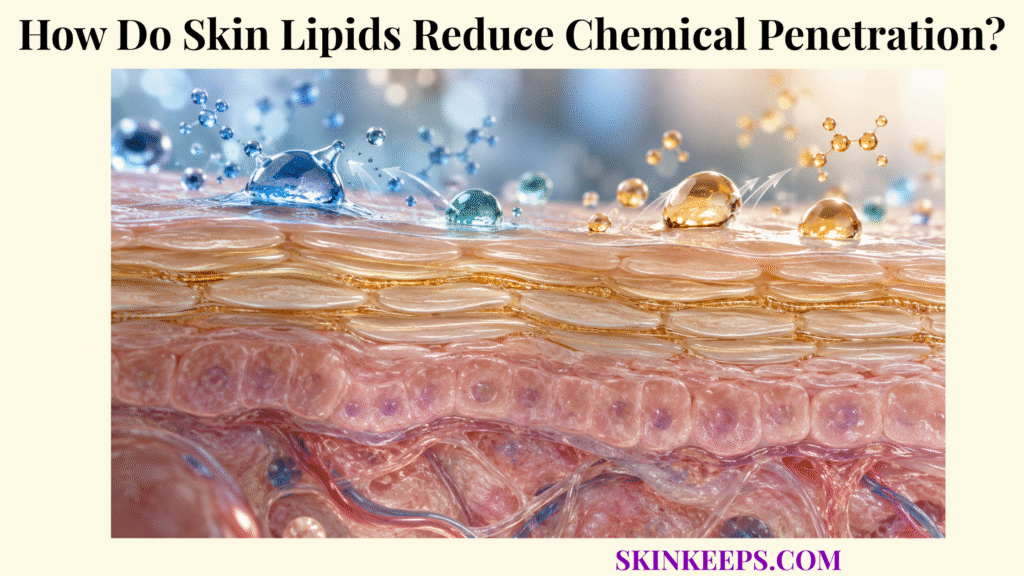
How Do Skin Lipids Reduce Chemical Penetration?
How Do Skin Lipids Reduce Chemical Penetration? Skin lipids reduce chemical penetration by forming the organized extracellular matrix of the stratum corneum, where ceramides, cholesterol, and free fatty acids create a low-permeability pathway that slows the partitioning and diffusion
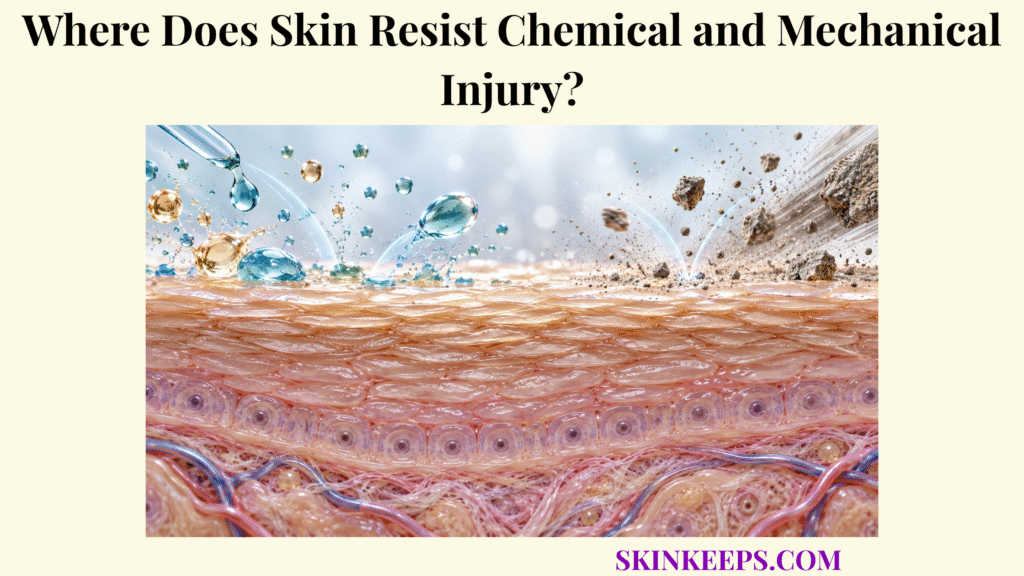
Where Does Skin Resist Chemical and Mechanical Injury?
Where Does Skin Resist Chemical and Mechanical Injury? Skin resists chemical and mechanical injury at multiple structural levels: the stratum corneum provides the main barrier to chemical penetration and superficial exposure, while cohesive epidermal cells and the collagen-rich dermis
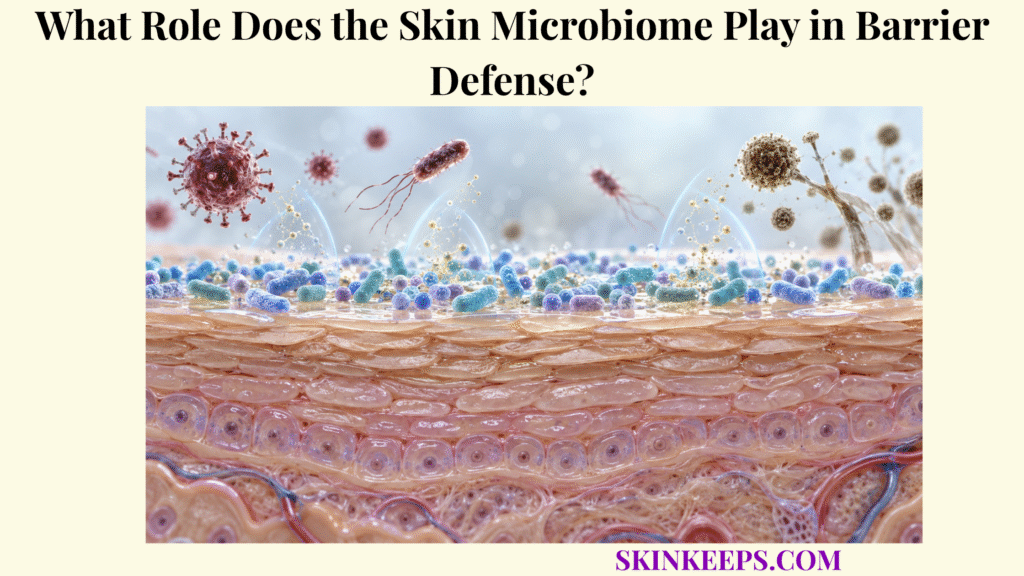
What Role Does the Skin Microbiome Play in Barrier Defense?
What Role Does the Skin Microbiome Play in Barrier Defense? The skin microbiome contributes to barrier defense by occupying ecological niches, competing with potential pathogens, producing biologically active metabolites, and communicating with keratinocytes and immune cells that maintain physical
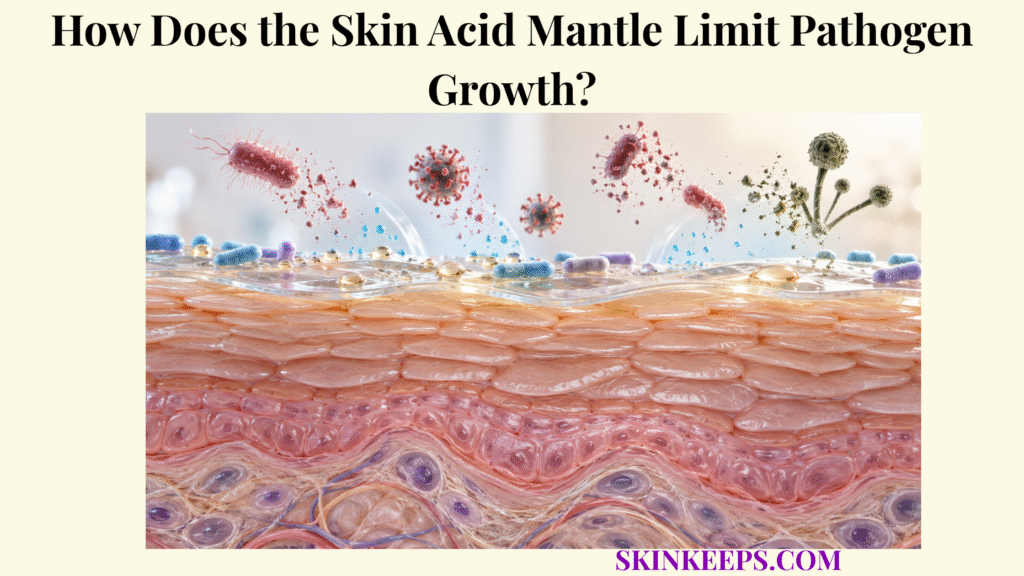
How Does the Skin Acid Mantle Limit Pathogen Growth?
How Does the Skin Acid Mantle Limit Pathogen Growth? The skin acid mantle limits pathogen growth by maintaining a mildly acidic stratum-corneum environment that disadvantages selected microorganisms while supporting lipid-processing, cohesion, and microbial-ecology mechanisms that strengthen the overall barrier.
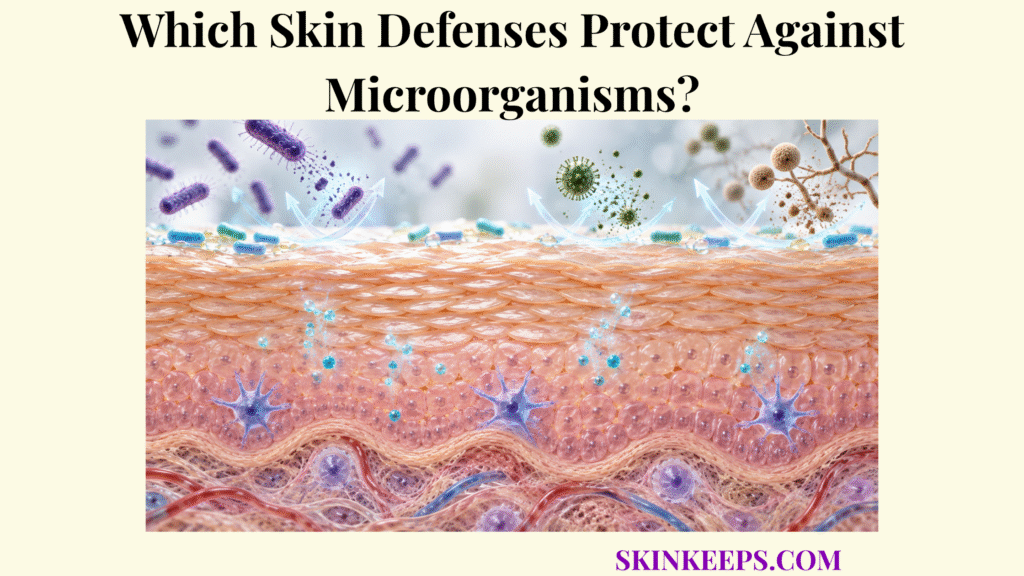
Which Skin Defenses Protect Against Microorganisms?
Which Skin Defenses Protect Against Microorganisms? Skin protects against microorganisms through four coordinated defense layers: an intact physical barrier restricts entry, surface chemistry suppresses selected microbial growth, resident microbiota provide colonization resistance, and cutaneous immune systems recognize and eliminate
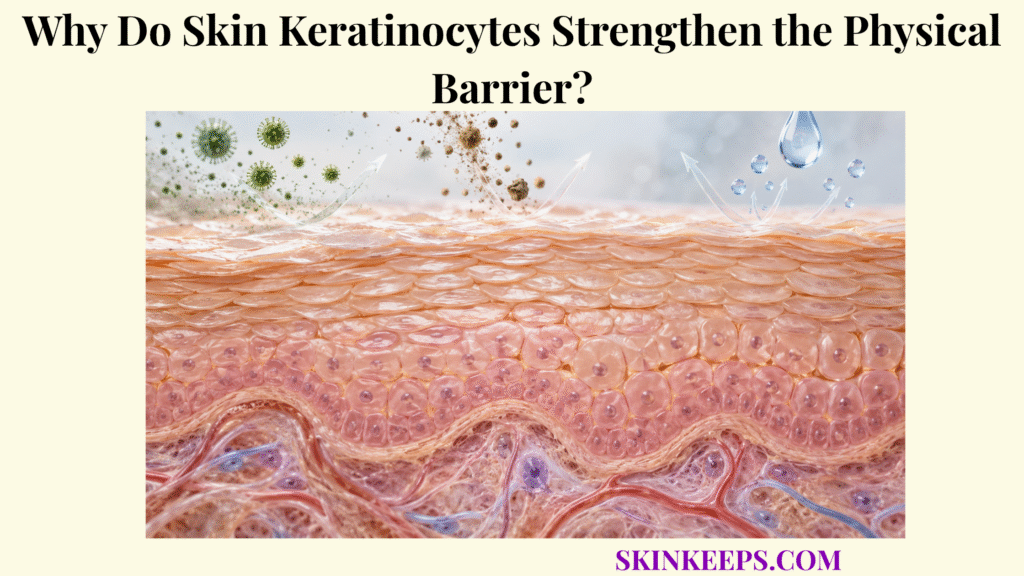
Why Do Skin Keratinocytes Strengthen the Physical Barrier?
Why Do Skin Keratinocytes Strengthen the Physical Barrier? Skin keratinocytes strengthen the physical barrier by undergoing a tightly regulated differentiation program that builds resilient keratin networks, cross-linked cornified envelopes, lipid-associated corneocytes, and the extracellular lipid matrix required for stratum-corneum