
Can Combination Skin React Differently to Products by Facial Area?
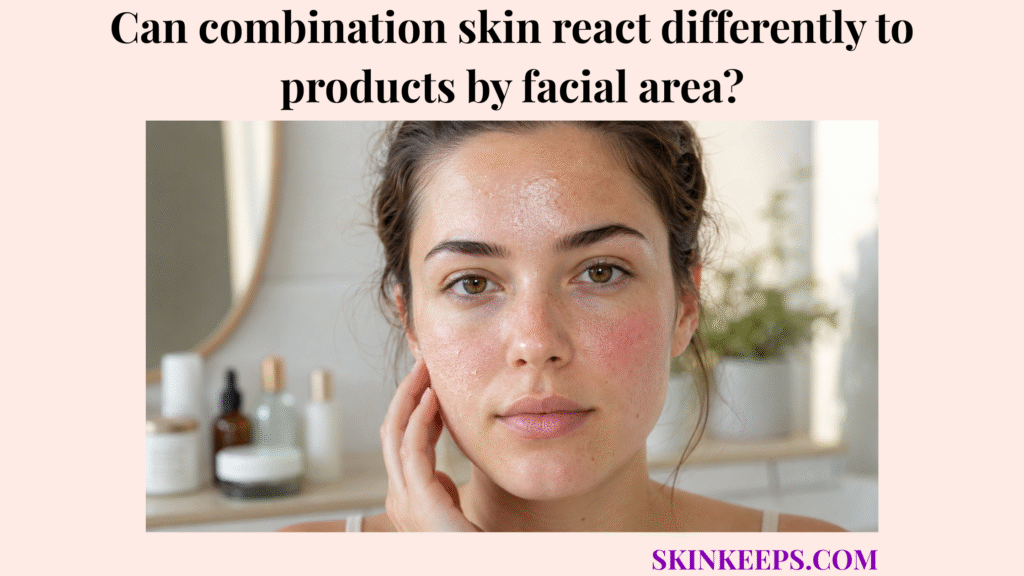
Can Combination Skin React Differently to Products by Facial Area? | SkinKeeps Yes, combination skin can react differently to products by facial area because oil levels, dryness, pore activity, and sensitivity are not the same across the whole face. In combination skin, a product may feel fine on the cheeks but greasy on the T-zone, […]
Is Skin Texture Uneven Across the Face in Combination Skin?
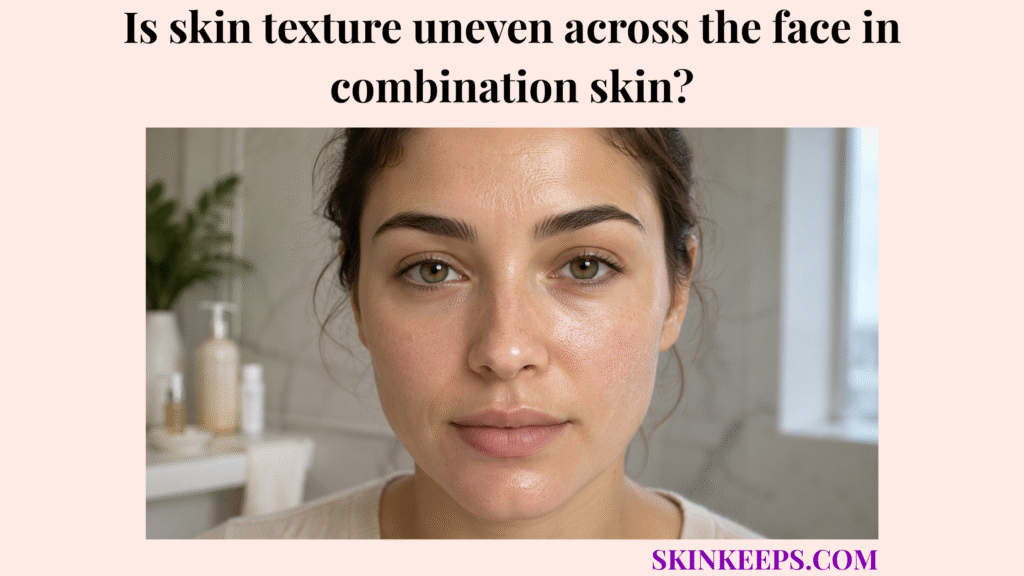
Is Skin Texture Uneven Across the Face in Combination Skin? | SkinKeeps Yes, skin texture can be uneven across the face in combination skin because different facial zones may have different oil levels, hydration levels, pore visibility, and sensitivity. In combination skin, the T-zone may feel bumpy, shiny, congested, or pore-visible while the cheeks or […]
Can Combination Skin Have Breakouts and Dry Patches Together?
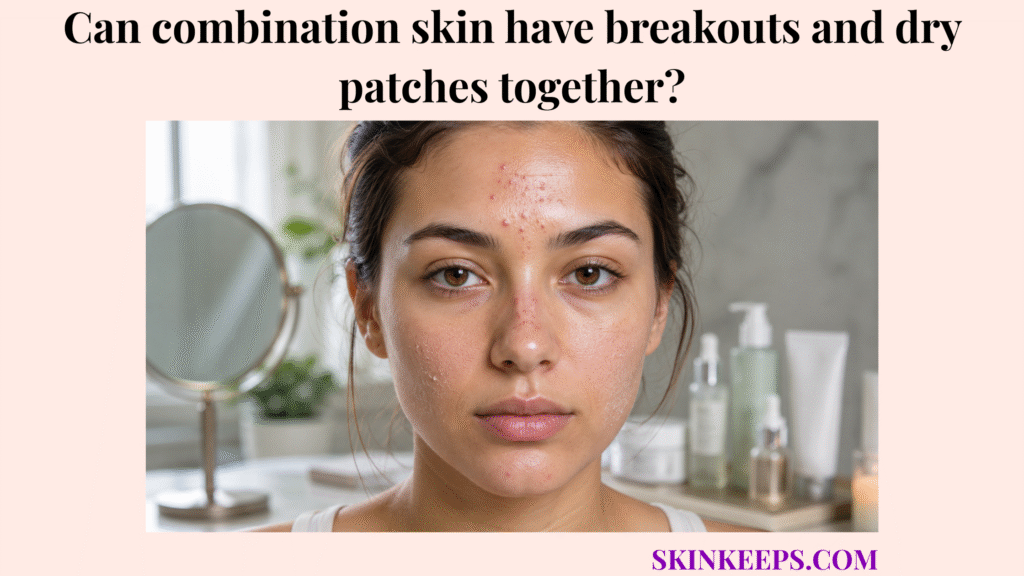
Can Combination Skin Have Breakouts and Dry Patches Together? | SkinKeeps Yes, combination skin can have breakouts and dry patches together because different areas of the face can produce different amounts of oil and tolerate products differently at the same time. The T-zone may become oily, shiny, congested, or breakout-prone while the cheeks, mouth area, […]
Does combination skin always show visible pores in the T-zone?
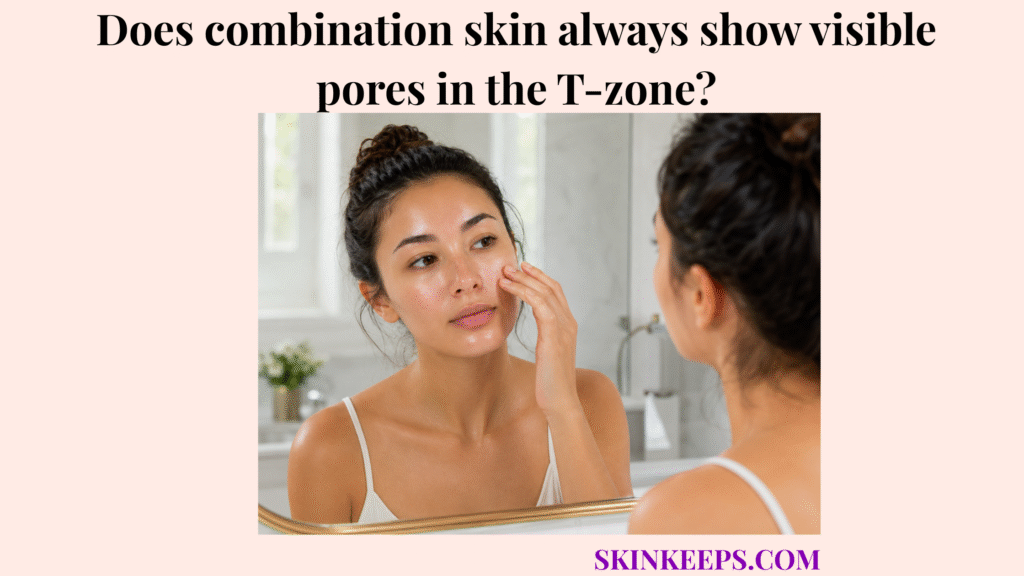
Does Combination Skin Always Show Visible Pores in the T-Zone? | SkinKeeps No, combination skin does not always show visible pores in the T-zone, although visible pores around the nose, forehead, or chin are common when the T-zone is oilier than the cheeks. Pores can support the pattern, but they are not required because combination […]
Why is the T-zone typically oily in combination skin?
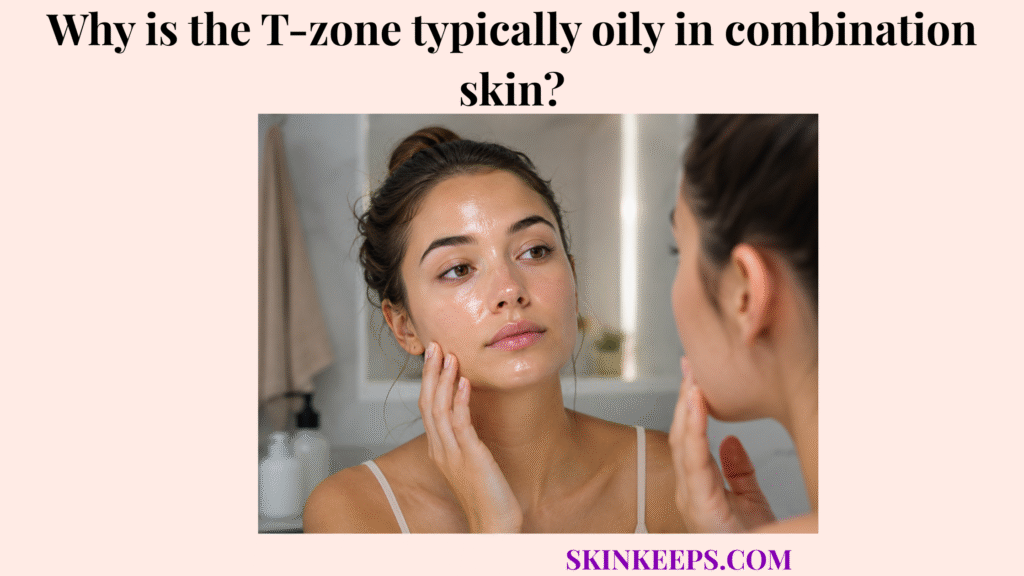
Why Is the T-Zone Typically Oily in Combination Skin? | SkinKeeps The T-zone is typically oily in combination skin because the forehead, nose, and chin often show more visible sebum activity than the cheeks or outer face. When more oil collects in the center of the face, the T-zone can look shiny, greasy, pore-visible, or […]
What distinguishes the cheek area from the T-zone in combination skin?
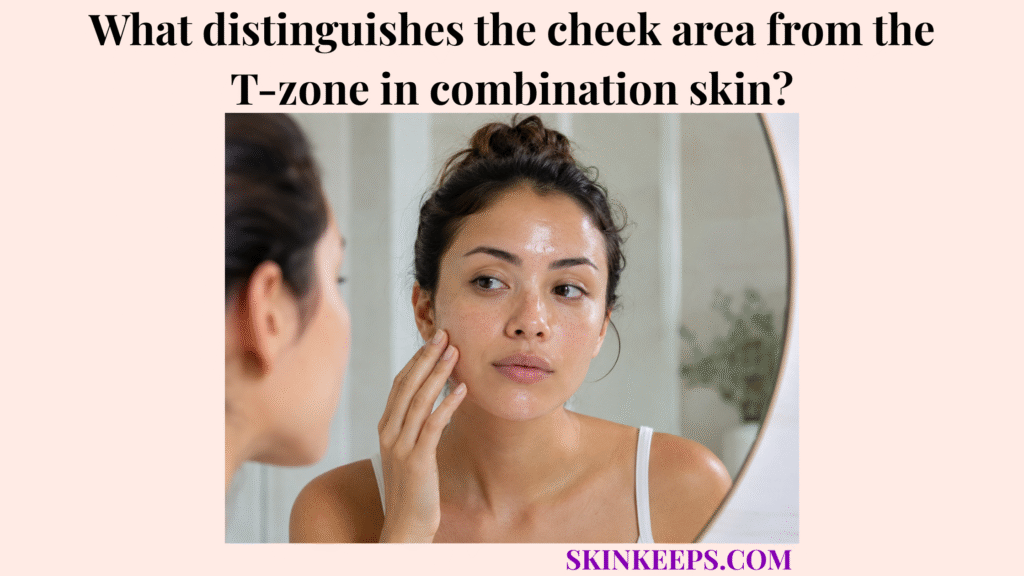
What Distinguishes the Cheek Area From the T-Zone in Combination Skin? | SkinKeeps In combination skin, the T-zone is usually oilier, shinier, more pore-visible, and more congestion-prone than the cheek area, while the cheeks are often normal, drier, tighter, flakier, or less oily. The distinction is not oiliness alone; it is the repeated contrast between […]
Which facial-zone patterns make combination skin easy to recognize?
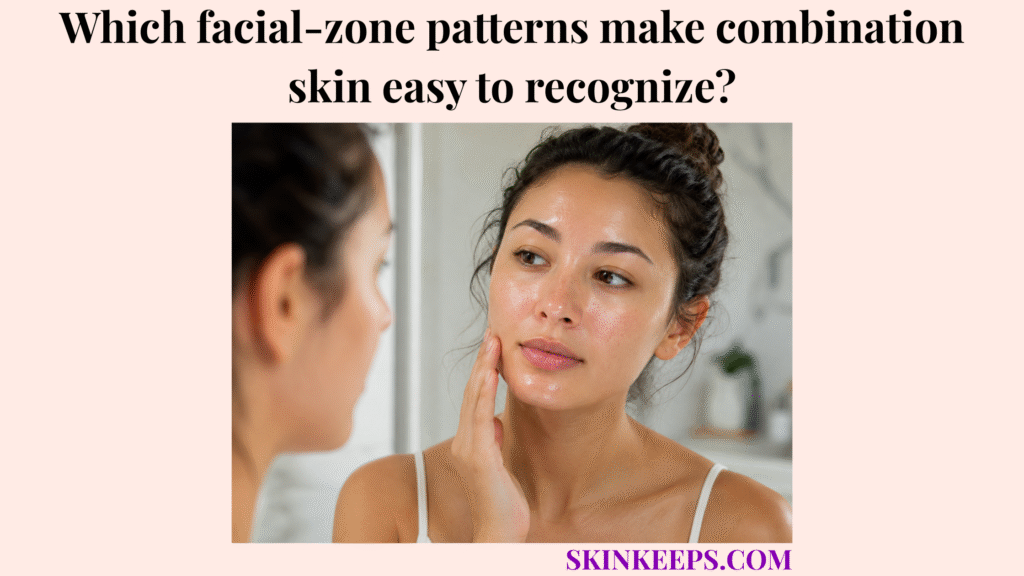
Which Facial-Zone Patterns Make Combination Skin Easy to Recognize? | SkinKeeps Combination skin is easy to recognize when the T-zone looks oily, shiny, congested, or more pore-visible while the cheeks, jawline, or outer face feel normal, dry, tight, flaky, or less oily. The clearest sign is not oiliness alone; it is the repeated contrast between […]
When should sensitive skin need a dermatologist?
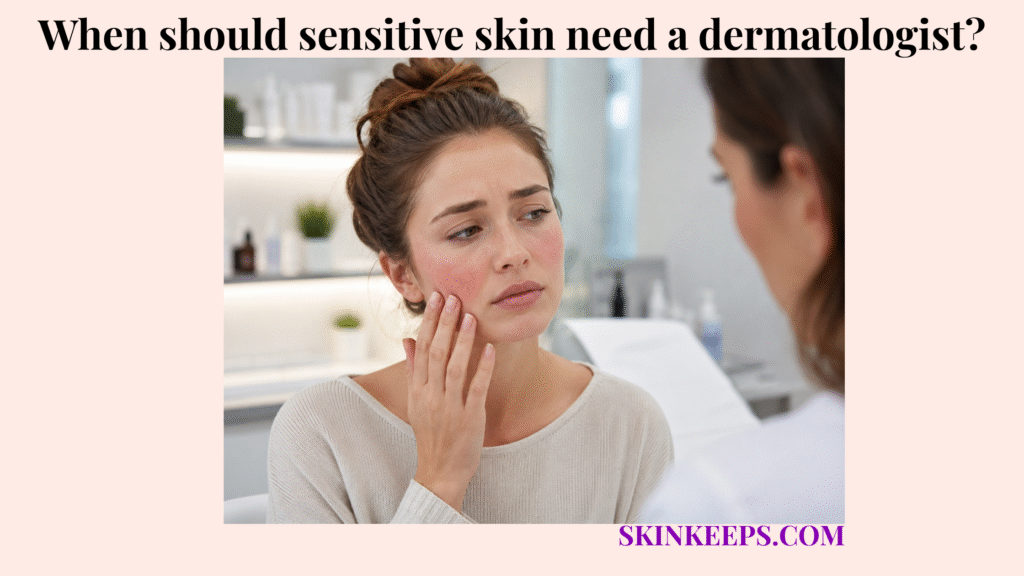
When Should Sensitive Skin Need a Dermatologist? | SkinKeeps Sensitive skin should need a dermatologist when reactions are severe, persistent, spreading, painful, swollen, blistering, oozing, crusting, bleeding, recurring, eye-area related, or continuing despite a simple gentle routine. Mild temporary stinging from one product may not always need professional care if it stops after the product […]
Can microbiome-friendly skincare help sensitive skin?

Can Microbiome-Friendly Skincare Help Sensitive Skin? | SkinKeeps Yes, microbiome-friendly skincare may help sensitive skin when it reduces harsh cleansing, over-exfoliation, unnecessary antibacterial products, fragrance exposure, and barrier-stripping habits. Sensitive skin often feels more reactive when the skin surface is stripped, over-treated, or repeatedly exposed to harsh products, so a microbiome-friendly approach is most useful […]
Can diet changes help sensitive skin?

Can Diet Changes Help Sensitive Skin? | SkinKeeps Diet changes may help some people with sensitive skin when food, hydration, alcohol, spicy meals, allergies, intolerances, or inflammatory skin conditions are part of a repeatable trigger pattern. Diet is not a universal cause of sensitive skin, and a single food reaction does not prove a food […]