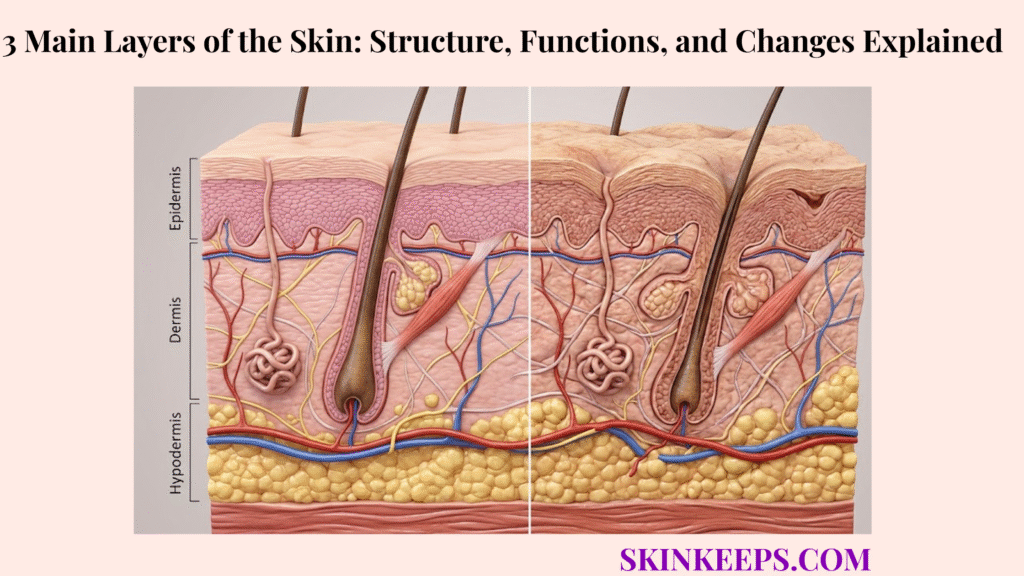
Visible skin problems such as dryness, roughness, wrinkles, and sagging are not surface-only events; they reflect biological changes occurring across the three main layers of the skin: the epidermis, the dermis, and the hypodermis.
These layers of human skin operate as an integrated, complex anatomical structure. The surface defends against environmental stress and moisture loss, the middle supplies dynamic elasticity, and the deepest base provides essential insulation and volumetric cushioning.
This guide explains the 3 main layers of the skin, what each layer does, how aging and UV exposure change them, and what evidence-based steps help protect them. To provide immediate clarity, the most common questions should be answered first.
Quick Answers to Common Questions About the 3 Main Layers of the Skin
To provide immediate clarity, this section answers the most common questions about the 3 main layers of the skin using concise, clinically grounded explanations.
What are the 3 main layers of the skin?
The skin is composed of three primary anatomical layers: the epidermis (the outermost surface), the dermis (the middle structural network), and the hypodermis or subcutaneous tissue (the deepest cushioning foundation).
Which layer acts as the main protective barrier?
The epidermis functions as the primary protective barrier. It prevents critical water loss and actively defends internal biological systems from external environmental threats, pathogens, and chemical irritants.
What does the dermis do?
The dermis supplies essential structural support. It houses a dense extracellular matrix built of collagen and elastin fibers, alongside blood vessels, nerves, and glands that keep the tissue resilient and nourished.
What is the hypodermis?
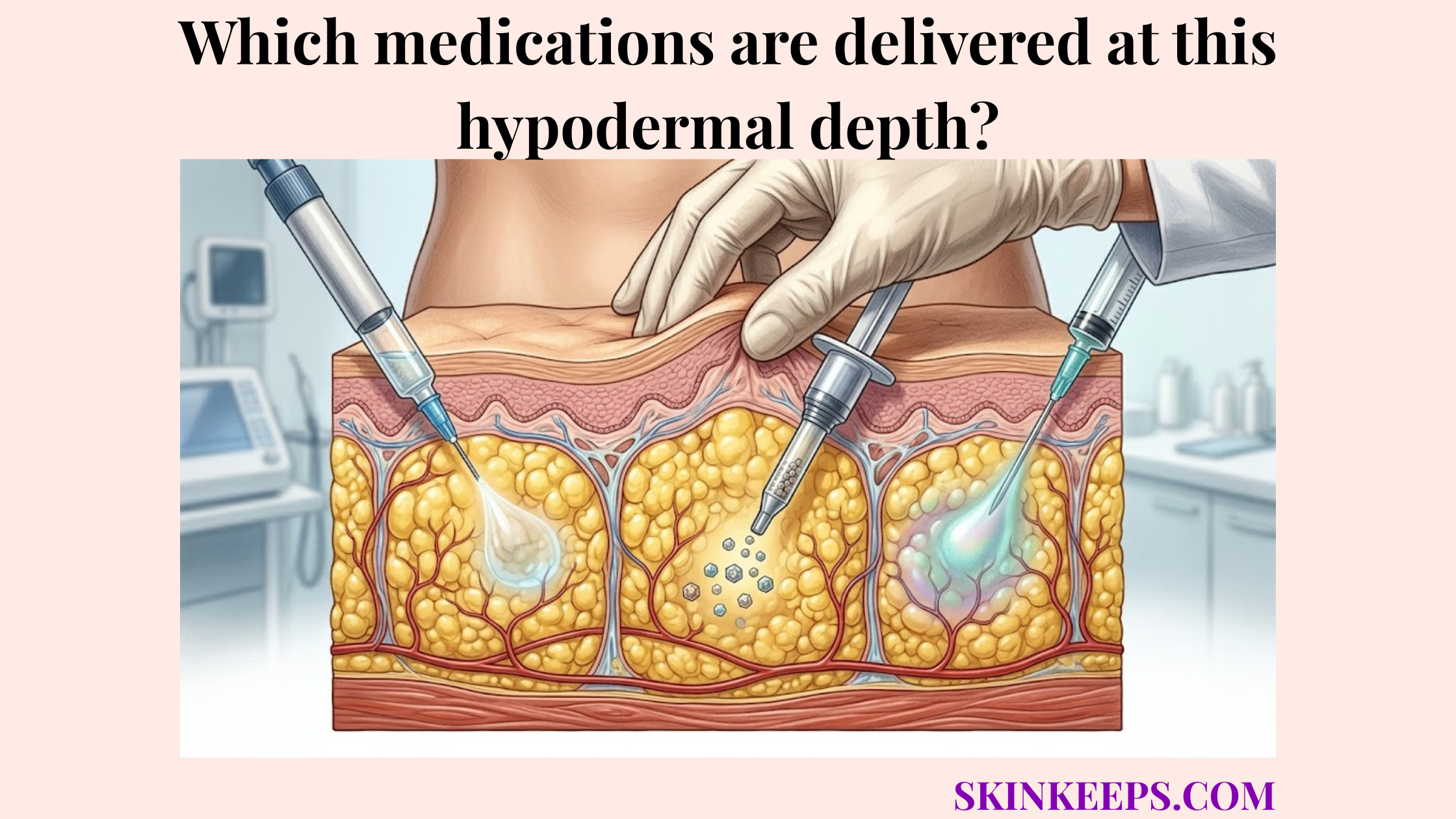
The hypodermis is the deepest structural skin layer. Formed primarily of adipocytes (fat cells) and connective tissue, it functions to cushion the body, insulate against heat loss, and anchor the skin to underlying muscle.
How do the skin layers change with age?
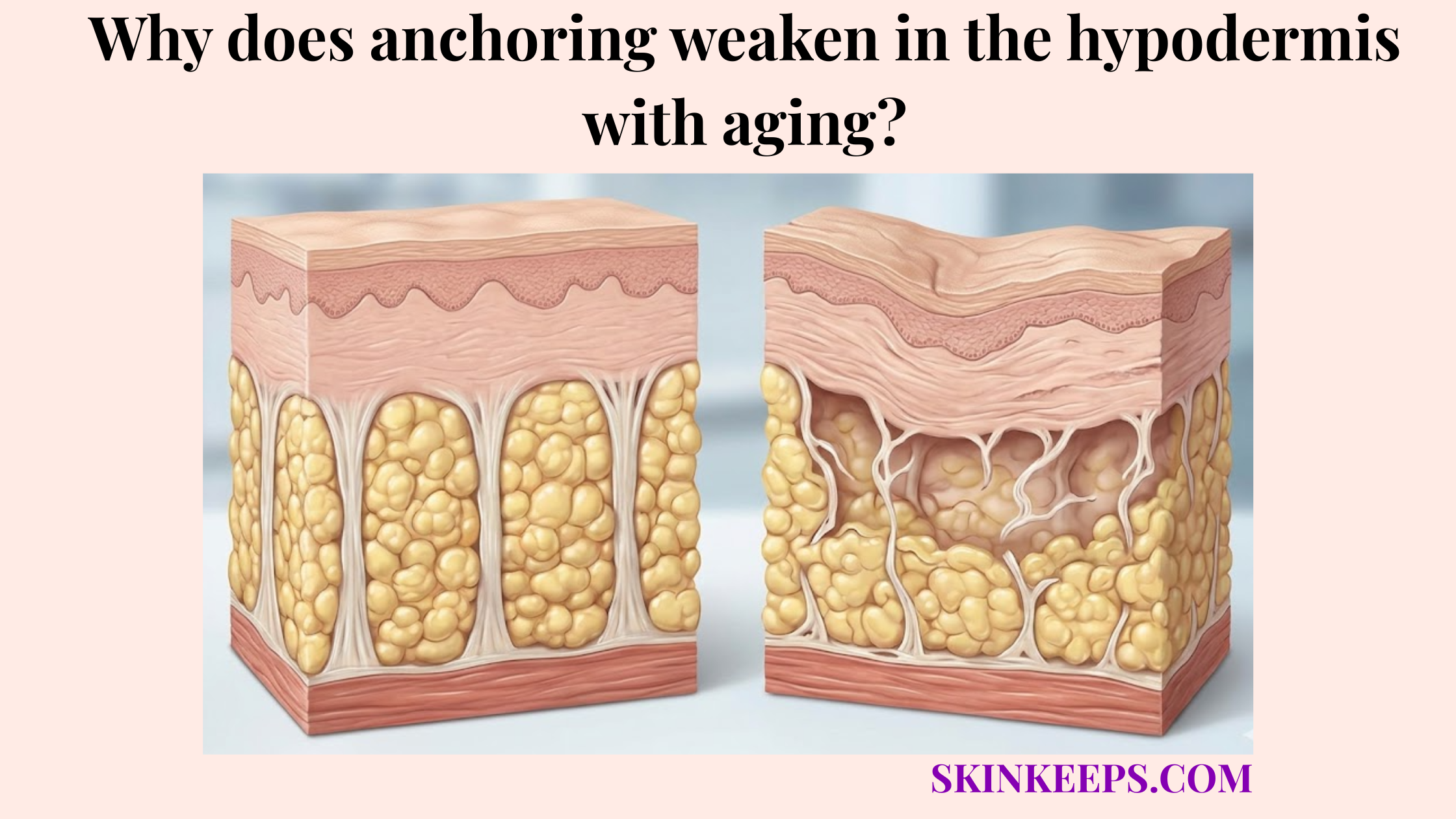
Biological aging alters multiple layers: the epidermis experiences significantly slower cell turnover, the dermis suffers progressive collagen degradation, and the hypodermis loses fatty volume, culminating in visible structural sagging.
Does sun exposure affect more than one layer?
Yes. Ultraviolet radiation degrades the epidermal barrier and penetrates into the dermis. This exposure triggers enzymes that destroy collagen architecture, driving the connective-tissue damage clinically recognized as photoaging.
Can skincare products affect all 3 layers equally?
No. Topical interventions predominantly target the epidermis to reinforce barrier function. While specific active ingredients influence dermal cell signaling, topical products cannot physically restore lost subcutaneous fat in the hypodermis.
When should someone seek medical review for skin changes?
Topical skincare should not replace professional medical assessment when skin changes are persistent, severe, or unusual.
Identify the Three Primary Layers of Human Skin
The integumentary system is built from three primary layers of human skin, and each layer performs a distinct job in protection, structural support, and cushioning.
Human skin follows a strict stratified rule. This biological separation exists because the body requires different mechanical actions at varying depths. For example, the surface resists water loss, the middle section provides dynamic mechanical strength, and the deep base insulates underlying structures [OpenStax].
Epidermis → The Shield
Dermis → The Structure
Hypodermis → The Cushion
Understand How the Epidermis Functions as the Outermost Skin Layer
The epidermis functions as the outermost skin layer by continuously generating keratinocytes in its basal region and transforming them into a protective surface barrier as they move upward toward the stratum corneum.
Keratinization involves the structural transformation of living cells into dense, resilient shields. Keratinocytes make up >90% of the epidermal compartment [JID Online]. As these cells migrate from the deep stratum basale up to the stratum corneum, they flatten, harden, and create the primary defense against pathogens and dehydration. To explore the surface shield in more depth, read our guide to what defines the epidermis in terms of barrier integrity, cellular turnover, and pigmentation control.
Epidermis → Provides → Barrier function
- Cell creation in basal layer
- Upward migration
- Keratinization
- Surface shedding
Discover How the Dermis Provides Structural Support for the Skin Layers
The dermis provides structural support for the skin by housing fibroblasts, blood vessels, glands, nerves, and a collagen-rich extracellular matrix that gives the tissue strength, recoil, and resilience.
The extracellular matrix (ECM) constitutes a complex biological scaffold. Fibroblasts act as the primary factory cells that synthesize and organize this matrix, ensuring mechanical stability. For a deeper look at the skin’s supportive framework, see how the dermis provides connective support, sensory signaling, and tissue repair. Functionally, this zone divides into core elements:
- Structural Proteins: Collagen forms strong architectural pillars, while elastin fibers provide the requisite bounce and recoil.
- Functional Systems: Vascular networks deliver critical oxygen and nutrients, while sebaceous and sweat glands regulate surface homeostasis.
Dermis → Houses → Structural matrix and support systems
Learn How the Hypodermis Cushions and Anchors the Deepest Skin Layer
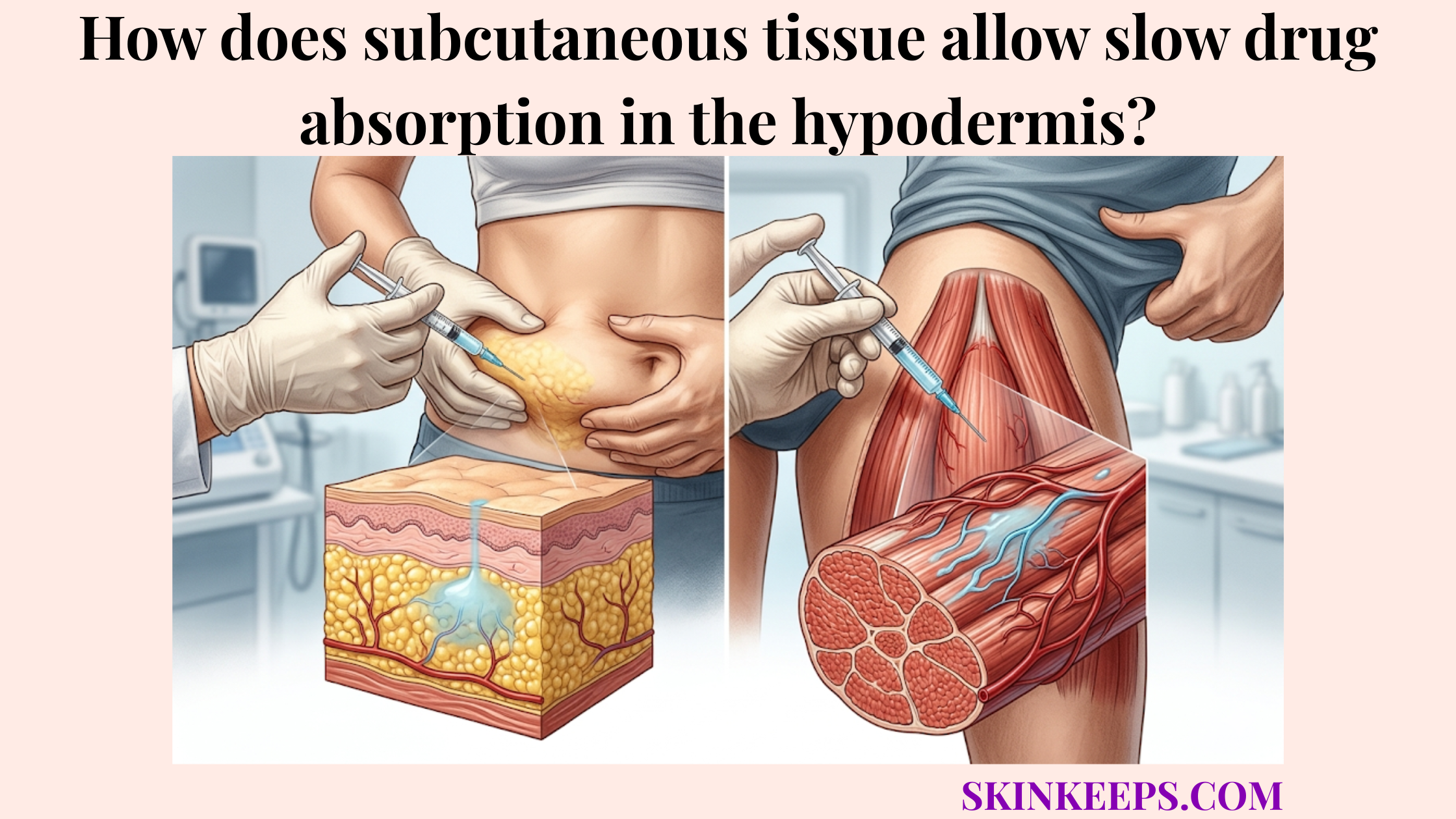
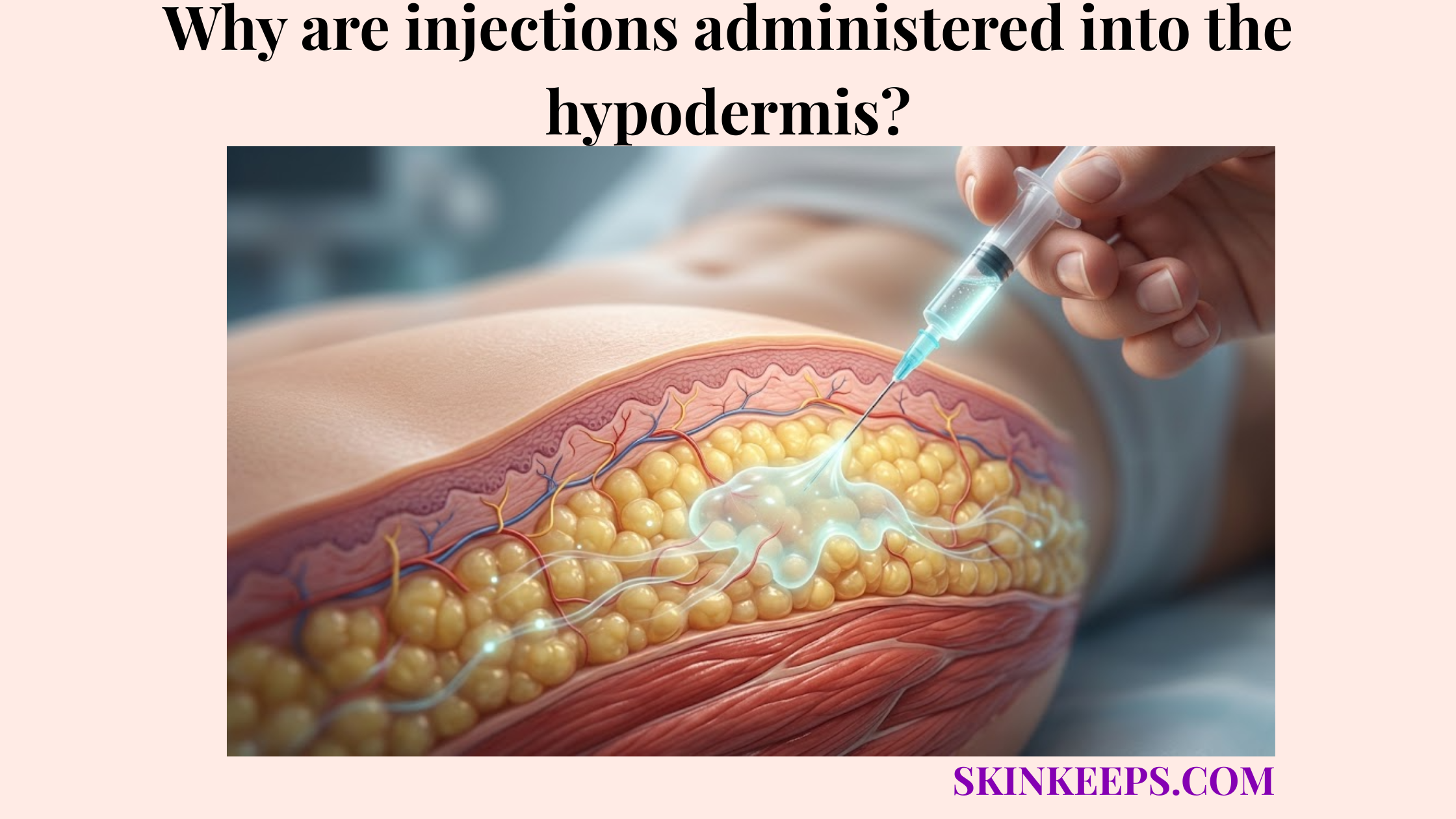
The hypodermis, also called subcutaneous tissue, cushions the body, helps insulate against heat loss, and anchors the skin to deeper underlying structures.
This foundational zone primarily stores energy within organized clusters of adipocytes (fat cells). Strong connective tissue septa stretch through the hypodermis, securely attaching the upper layers of human skin to the underlying muscle fascia. By housing subcutaneous fat, this layer effectively diffuses blunt mechanical trauma and regulates core internal temperatures.
Hypodermis → Provides → Cushioning, insulation, anchoring
Compare the Structure and Functions Across All 3 Skin Layers
The following comparison clarifies how the three skin layers differ in cell types, structural elements, and biological purpose.
| Skin Layer | Main Cells / Components | Primary Function | Key Structural Features |
|---|---|---|---|
| Epidermis | Keratinocytes, melanocytes, lipids | Barrier function, protection | Avascular, stratified surface |
| Dermis | Fibroblasts, collagen, elastin | Structural support, nourishment | Dense extracellular matrix |
| Hypodermis | Adipocytes, connective tissue | Cushioning, insulation, anchoring | Deep subcutaneous fat |
Recognize How Aging and Environment Change the Layers of the Skin
Aging and environmental exposure change the layers of the skin at multiple depths, altering barrier efficiency, connective-tissue integrity, and tissue volume over time.
How Epidermal Renewal Slows with Age
Epidermal renewal slows with age, so dead cells remain longer on the surface and the skin may appear rougher, duller, and less efficient at maintaining a strong moisture barrier.
Cell turnover defines the total biological cycle of generating a new cell and shedding the old one. Surface renewal becomes less efficient with age, causing the stratum corneum to accumulate damaged material and lose vital hydration.
Why UV Exposure and Aging Weaken the Dermis
Dermal aging becomes visible when collagen architecture is progressively damaged and the skin’s connective tissue loses strength, elasticity, and organized support.
Photoaging describes the cumulative, premature deterioration of skin mechanics caused by ultraviolet radiation. UV-induced MMP expression drives collagen and extracellular matrix degradation in photoaging [ScienceDirect]. The enzymes physically dismantle the structural skin layers, producing deep wrinkles and loss of firmness. If you want to understand this mechanism more clearly, read how UV radiation degrades dermal collagen.
How Hypodermal Volume Loss Affects Support
Loss of subcutaneous volume reduces the skin’s deep mechanical support, which can make overlying tissue appear less stable and more prone to visible sagging or fragility.
When adipocytes deplete and fat pads shift downward, the dermis and epidermis lose the foundation that keeps them taut. This loss of subcutaneous volume can reduce deep support and contribute to visible sagging over time.
Understand Failure Modes When Protecting the Structural Skin Layers
Skin-layer care fails at both extremes: too little protection accelerates barrier damage and photoaging, while overly aggressive intervention can irritate the epidermis, reduce tolerance, and worsen visible skin problems.
How Under-Protecting the Epidermis Worsens Barrier Dysfunction
When the surface barrier is not adequately supported, transepidermal water loss can increase and the skin may become more vulnerable to dryness and irritation. Unprotected skin easily succumbs to environmental pathogens, resulting in chronic irritation and severe barrier disruption.
How Overusing Exfoliants and Retinoids Can Inflame the Epidermis
Improper exfoliation can do more harm than good and may increase redness or acne breakouts [AAD]. When a topical retinoid is not well tolerated, irritation may include redness, peeling, dryness, itching, or a burning sensation [AAD Retinoid].
How Inconsistent UV Protection Accelerates Dermal Collagen Damage
Skipping daily sun protection can accelerate collagen degradation and increase long-term photoaging risk. Chronic UV exposure progressively weakens the extracellular matrix and contributes to connective-tissue breakdown over time.
| Intervention | Too Little | Optimal Use | Too Much / Failure Mode |
|---|---|---|---|
| Exfoliation | Surface dead-cell buildup | Supports normal cell turnover | Severe barrier disruption, redness |
| Retinoids | No connective-tissue impact | Slow introduction, dermal support | Inflammation, retinoid dermatitis |
| UV protection | Rapid photoaging | Preserves existing extracellular matrix | (Rare) Neglecting complete removal |
| Barrier-support moisturization | High water loss, dry surface | Restores essential ceramides | Follicular occlusion |
Protect the Structural Skin Layers with Evidence-Based Interventions
Protecting the structural skin layers requires matching the intervention to the depth and function of the tissue you are trying to support.
Epidermis: The problem is environmental degradation and moisture evaporation. The implication is a compromised, inflamed surface barrier. The solution requires topical ceramides, gentle cleansing, barrier-support moisturization, and rigorous daily sun protection.
Dermis: The problem is ultraviolet destruction of the extracellular matrix. The implication is a loss of elasticity and strength. The solution involves strict photoprotection, cautious antioxidant support, and appropriate retinoid use carefully titrated to avoid epidermal harm.
Hypodermis: The problem is volume deflation over time. The implication is structural sagging. The solution requires maintaining systemic metabolic stability, supporting overall health, and avoiding rapid weight fluctuation.
Review the Key Takeaways About the Three Layers of Human Skin
The anatomy of the skin and the way it changes over time can be reduced to three core realities: layered function, layered degradation, and layered protection.
- Anatomical Roles: epidermis protects, dermis supports, hypodermis cushions and anchors.
- Layered Degradation: aging and UV exposure affect multiple layers at once.
- Targeted Protection: useful skincare must match the biology of the layer.
Take Action to Preserve and Protect the Three Main Layers of the Skin Today
Daily habits influence the long-term integrity of the three main layers of the skin more than sporadic high-intensity interventions.
Aligning your routine with biological reality prevents critical tissue damage. Structure your intervention to defend the barrier, shield the matrix, and preserve long-term tissue function.
3 Actionable Steps to Build a Barrier-Conscious Routine
- Apply broad-spectrum UV protection daily to shield dermal collagen.
- Incorporate ceramide-rich moisturizers to stabilize epidermal water loss.
- Introduce active retinoids slowly to prevent surface inflammation.
Understanding the architecture beneath the skin’s surface is one of the most useful tools for protecting its function, resilience, and appearance over time.