
Which biological factors increase skin sensitivity?
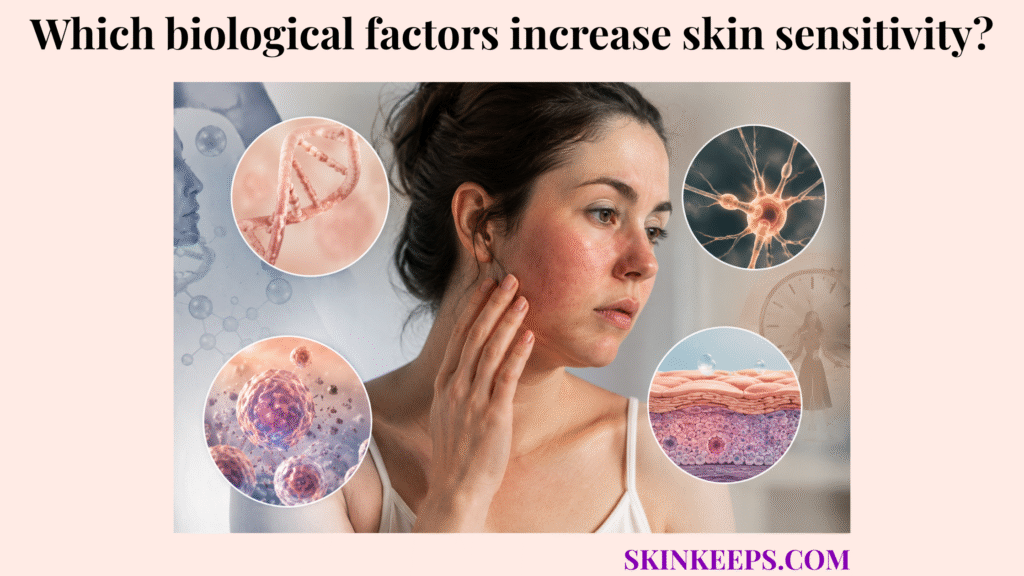
Which Biological Factors Increase Skin Sensitivity? | SkinKeeps Biological factors that can increase skin sensitivity include a weaker skin barrier, inherited sensitivity, higher nerve reactivity, stronger inflammatory response, dryness-prone skin, age-related barrier changes, hormonal shifts, and skin conditions such as eczema, rosacea, dermatitis, or allergy-prone skin. These internal factors can make the skin react more […]
Does sensitive skin feel tight after irritation?
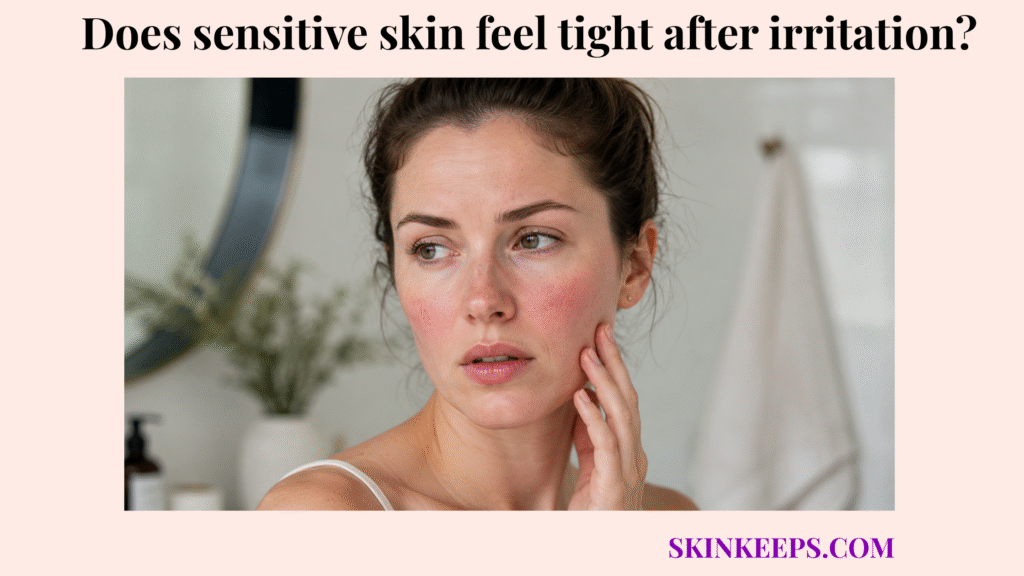
Does Sensitive Skin Feel Tight After Irritation? | SkinKeeps Yes, sensitive skin can feel tight after irritation because a reactive or weakened barrier can lose comfort after exposure to harsh products, hot water, wind, cold air, fragrance, exfoliants, retinoids, shaving, sweat, or friction. This tight feeling may feel like the skin is stretched, pulled, dry, […]
Can sensitive skin feel itchy after product use?
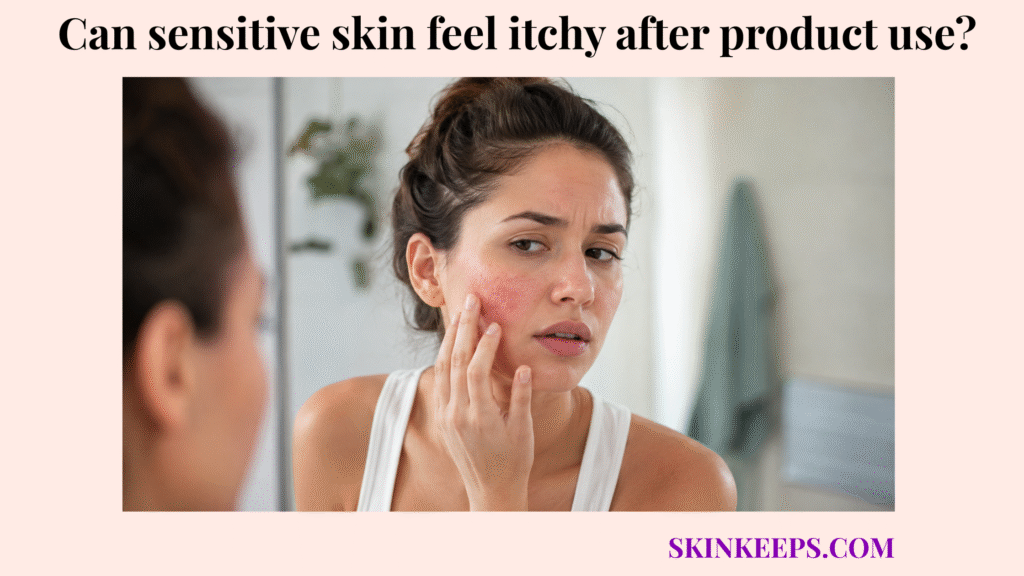
Can Sensitive Skin Feel Itchy After Product Use? | SkinKeeps Yes, sensitive skin can feel itchy after product use when a formula irritates the skin barrier, dries the surface, triggers a sensitivity reaction, or contains an ingredient the skin does not tolerate. Itching may happen after cleansers, moisturizers, sunscreen, makeup, fragrance, exfoliating acids, retinoids, preservatives, […]
Can sensitive skin burn after certain products?
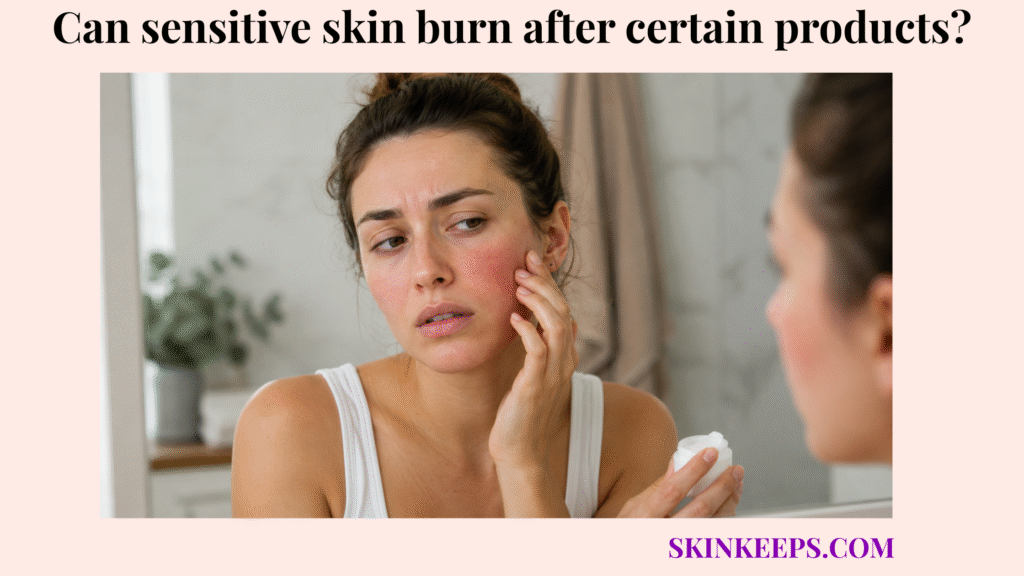
Can Sensitive Skin Burn After Certain Products? | SkinKeeps Yes, sensitive skin can burn after certain products, especially when the formula contains strong actives, fragrance, alcohol, exfoliating acids, retinoids, harsh cleansers, benzoyl peroxide, vitamin C, sunscreen filters, preservatives, or ingredients the skin barrier does not tolerate. Burning is stronger than mild tingling or brief stinging […]
Is stinging a common sign of sensitive skin?
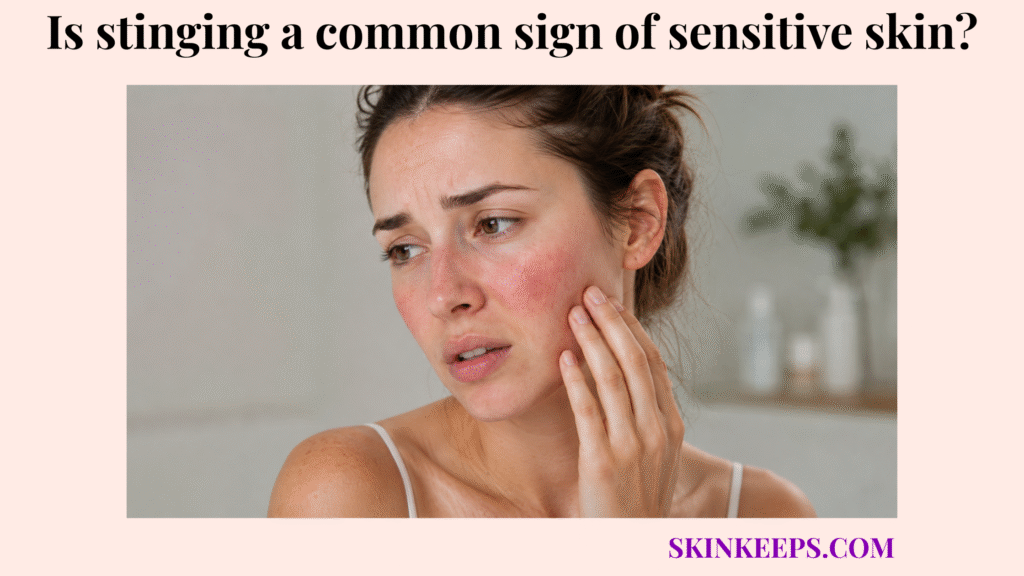
Is Stinging a Common Sign of Sensitive Skin? | SkinKeeps Yes, stinging is a common sign of sensitive skin, especially when it appears soon after skincare products, cleansing, sunscreen, makeup, sweating, shaving, sun exposure, wind, cold air, hot water, fragrance, or strong active ingredients. Stinging usually suggests that the skin barrier is reactive, irritated, stripped, […]
Which sensations suggest sensitive skin discomfort?
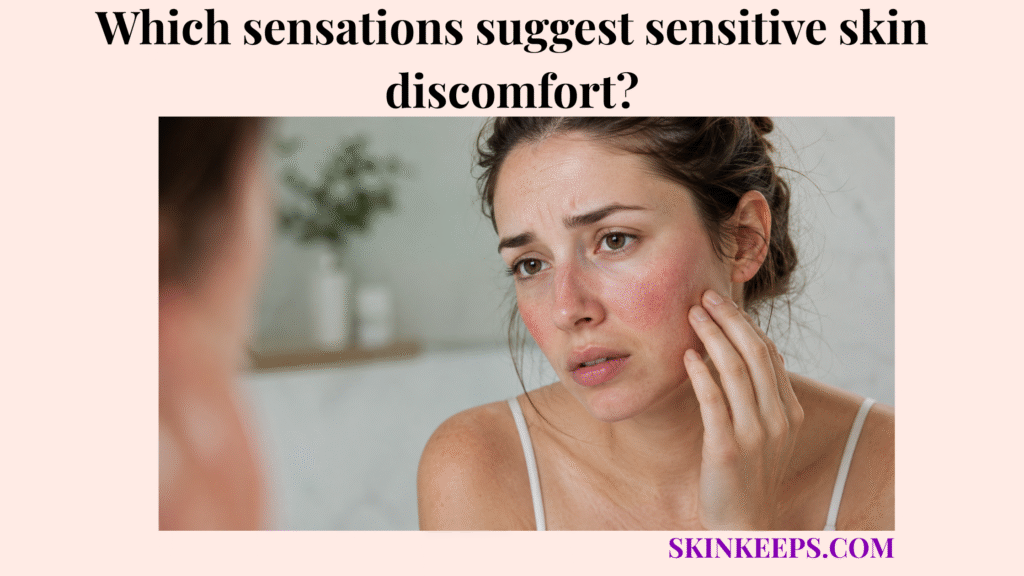
Which Sensations Suggest Sensitive Skin Discomfort? | SkinKeeps Sensitive skin discomfort is commonly suggested by stinging, burning, itching, tightness, prickling, heat, tenderness, soreness, tingling, or a raw feeling after skincare products, cleansing, weather exposure, shaving, sweat, friction, or temperature changes. Sensitive skin does not always show obvious redness, bumps, or rash; sometimes the strongest clue […]
Are breakouts on sensitive skin different from other skin types?
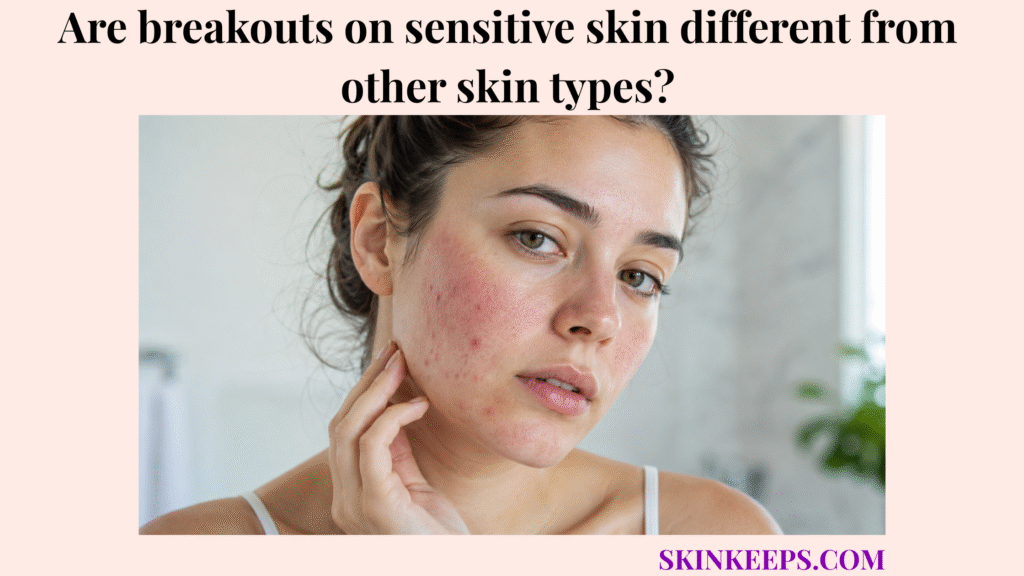
Are Breakouts on Sensitive Skin Different From Other Skin Types? | SkinKeeps Yes, breakouts on sensitive skin can be different from breakouts on other skin types because they are often driven by irritation, barrier weakness, product reactions, friction, heat, sweat, or inflammation rather than only excess oil. Sensitive-skin breakouts may appear as small bumps, rash-like […]
What Texture Is Typical of Sensitive Skin?
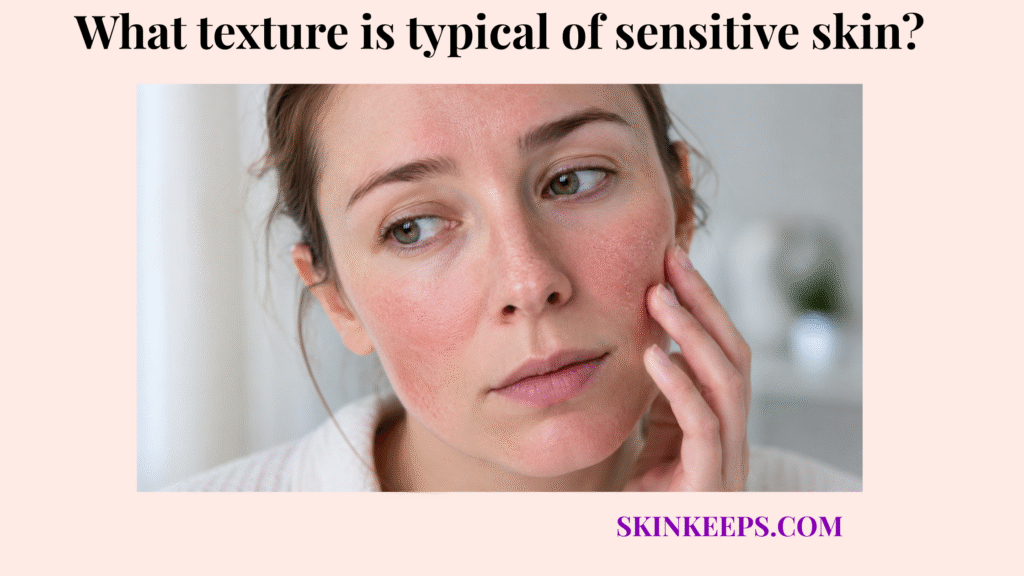
What Texture Is Typical of Sensitive Skin? | SkinKeeps Sensitive skin does not have one fixed texture. When calm, it may look and feel smooth or normal, but during irritation it can become rough, tight, bumpy, flaky, shiny, swollen, uneven, or rash-like. The most typical sensitive-skin texture pattern is a repeated texture change after triggers […]
Is dryness or flakiness common in sensitive skin?
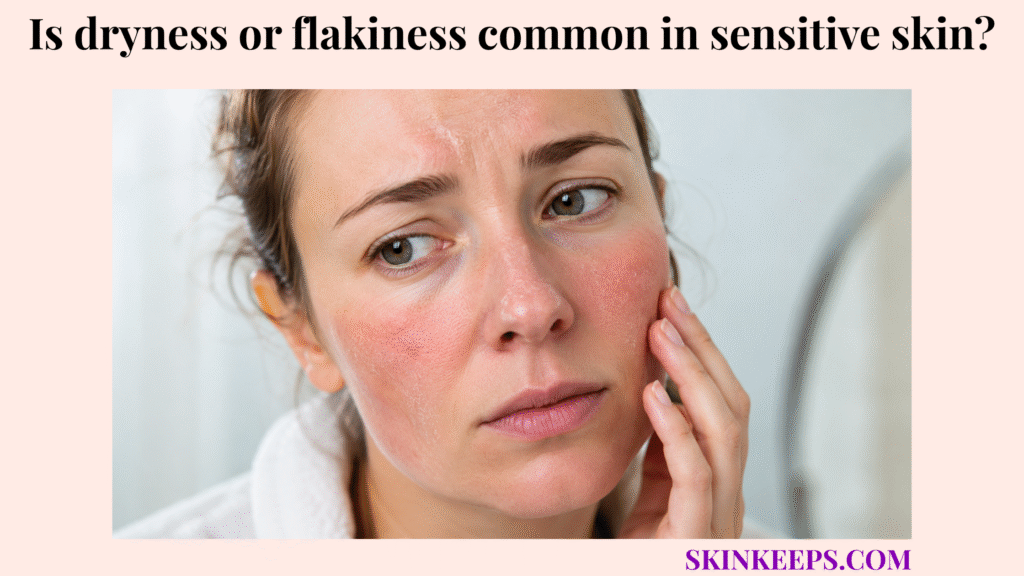
Is Dryness or Flakiness Common in Sensitive Skin? | SkinKeeps Yes, dryness and flakiness can be common in sensitive skin because sensitive skin often has a reactive or weakened barrier that loses moisture more easily and becomes irritated by products, weather, hot water, fragrance, exfoliants, retinoids, shaving, or friction. Sensitive skin is not always naturally […]
Can sensitive skin react visibly to temperature changes?
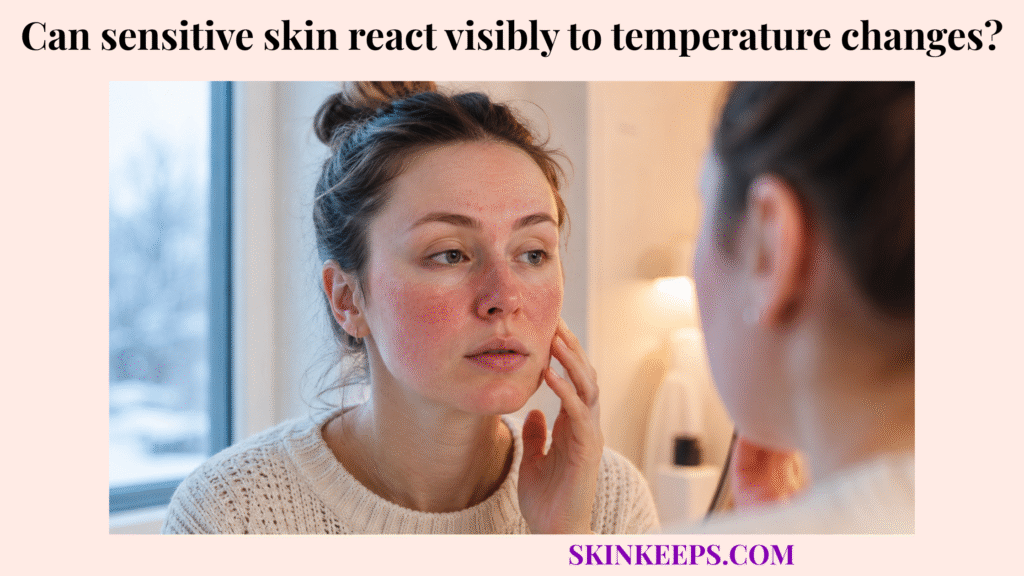
Can Sensitive Skin React Visibly to Temperature Changes? | SkinKeeps Yes, sensitive skin can react visibly to temperature changes, including heat, cold, wind, hot water, sweating, and sudden shifts from cold outdoor air to heated indoor air. These reactions may appear as redness, flushing, blotchy patches, darker irritation, roughness, swelling, peeling, bumps, chapping, or rash-like […]