
What Role Does the Skin Microbiome Play in Barrier Defense?
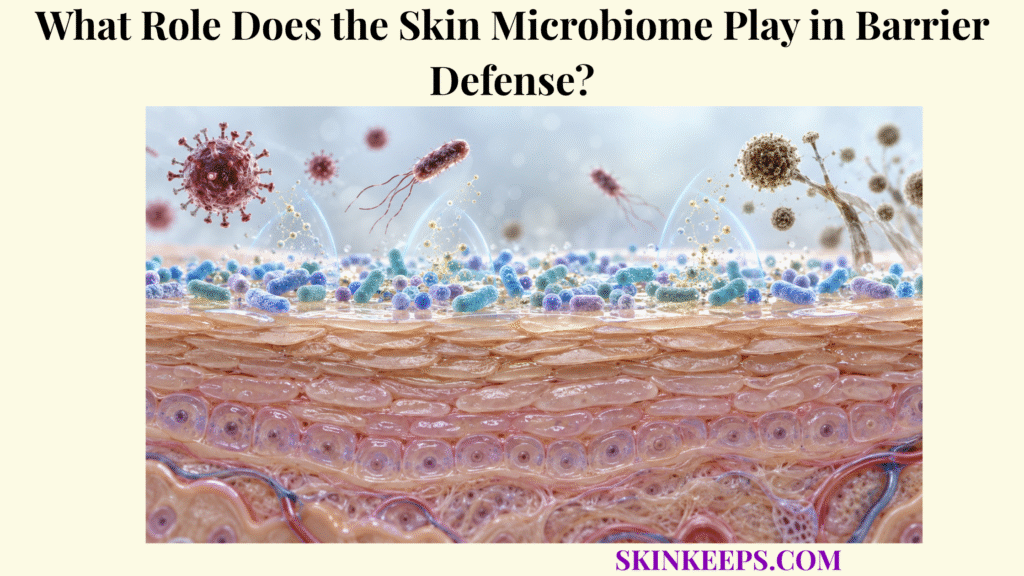
What Role Does the Skin Microbiome Play in Barrier Defense? The skin microbiome contributes to barrier defense by occupying ecological niches, competing with potential pathogens, producing biologically active metabolites, and communicating with keratinocytes and immune cells that maintain physical and immunological skin homeostasis. Healthy skin normally contains microorganisms and is not meant to be sterile. […]
How Does the Skin Acid Mantle Limit Pathogen Growth?
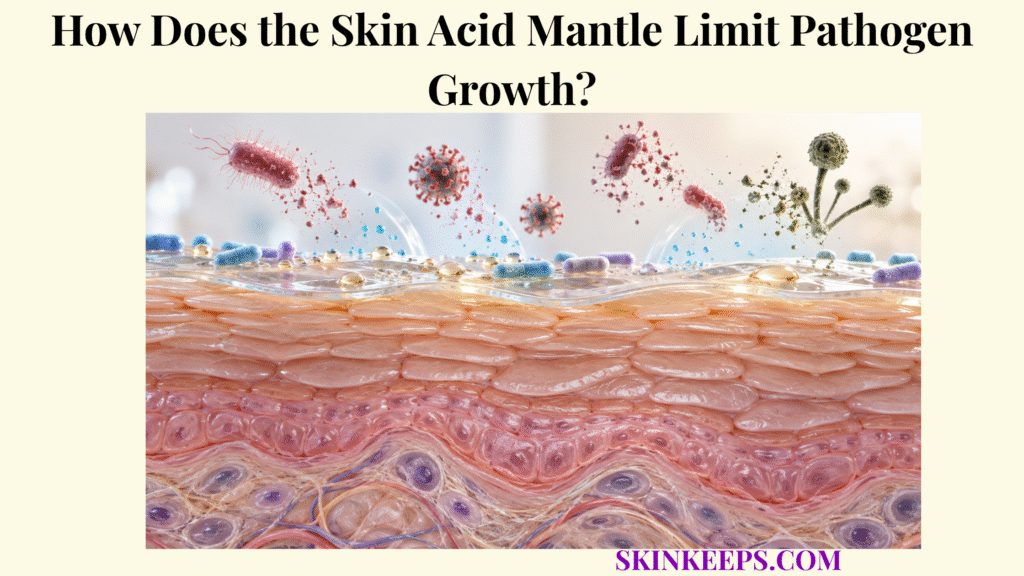
How Does the Skin Acid Mantle Limit Pathogen Growth? The skin acid mantle limits pathogen growth by maintaining a mildly acidic stratum-corneum environment that disadvantages selected microorganisms while supporting lipid-processing, cohesion, and microbial-ecology mechanisms that strengthen the overall barrier. It does not sterilize skin; it creates selective pressure within a surface that normally remains colonized […]
Which Skin Defenses Protect Against Microorganisms?
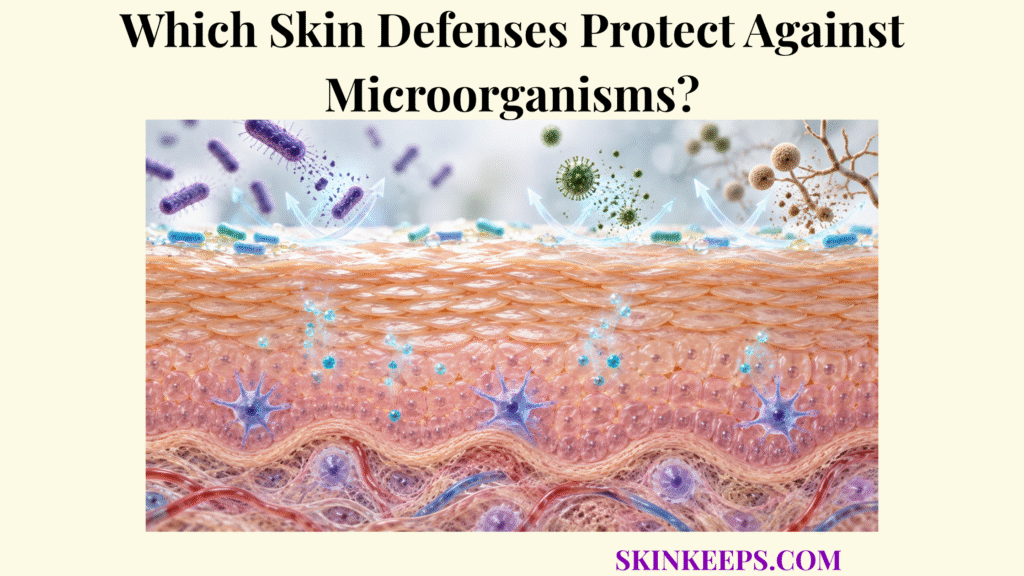
Which Skin Defenses Protect Against Microorganisms? Skin protects against microorganisms through four coordinated defense layers: an intact physical barrier restricts entry, surface chemistry suppresses selected microbial growth, resident microbiota provide colonization resistance, and cutaneous immune systems recognize and eliminate threats that penetrate into living tissue. Healthy skin is therefore colonized and ecologically active rather than […]
Why Do Skin Keratinocytes Strengthen the Physical Barrier?
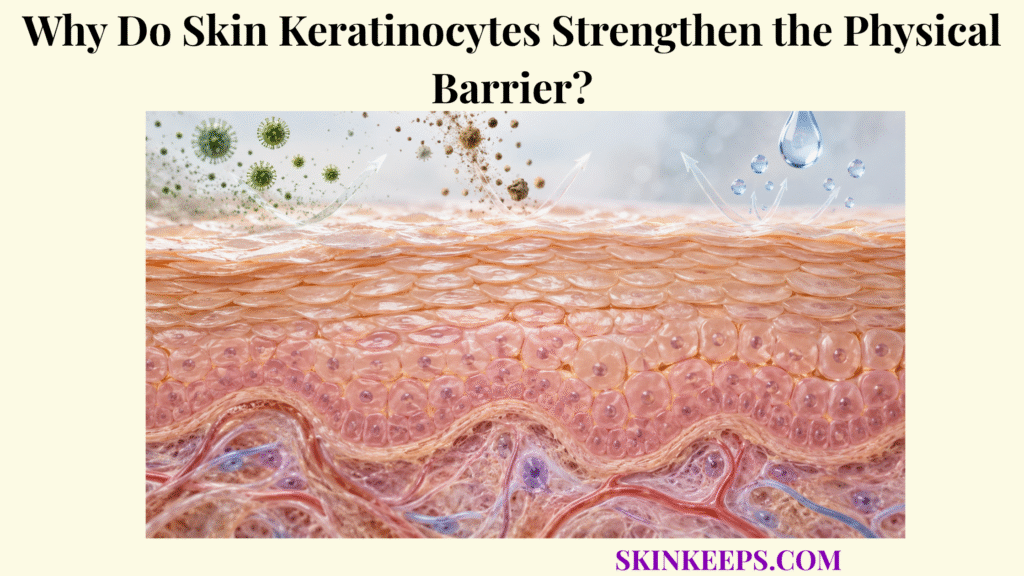
Why Do Skin Keratinocytes Strengthen the Physical Barrier? Skin keratinocytes strengthen the physical barrier by undergoing a tightly regulated differentiation program that builds resilient keratin networks, cross-linked cornified envelopes, lipid-associated corneocytes, and the extracellular lipid matrix required for stratum-corneum integrity. Keratinocytes are not merely cells positioned beneath the barrier; they manufacture most of its structural […]
How Does the Skin Stratum Corneum Block External Threats?
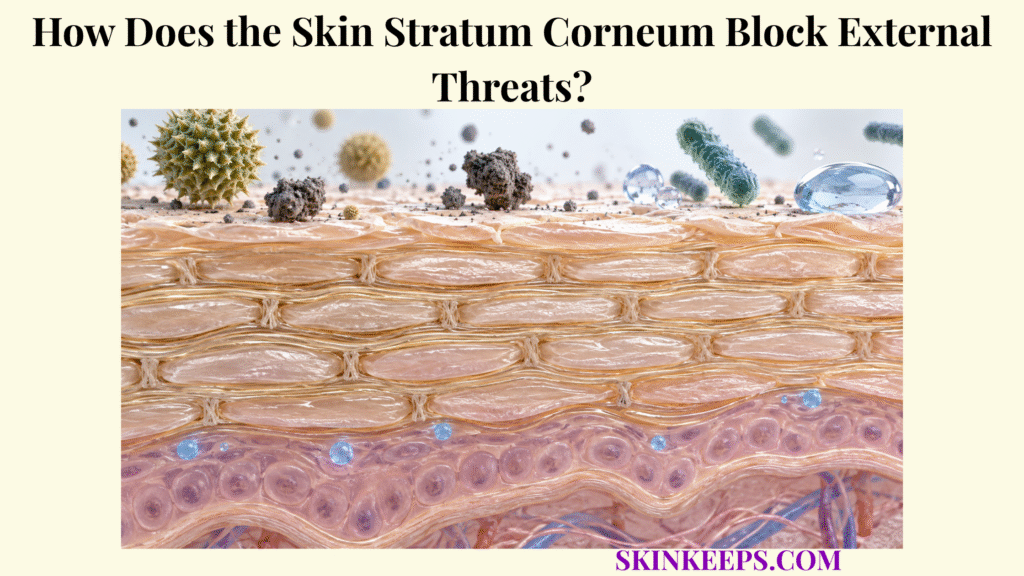
How Does the Skin Stratum Corneum Block External Threats? The stratum corneum blocks external threats by forming the skin’s outer permeability barrier, where compact corneocytes reinforced by keratin and cornified envelopes are surrounded by highly organized lipids that slow penetration and reduce water loss. This page explains what builds that outer barrier, how its cells […]
Which Skin Epidermal Structures Form the Barrier?
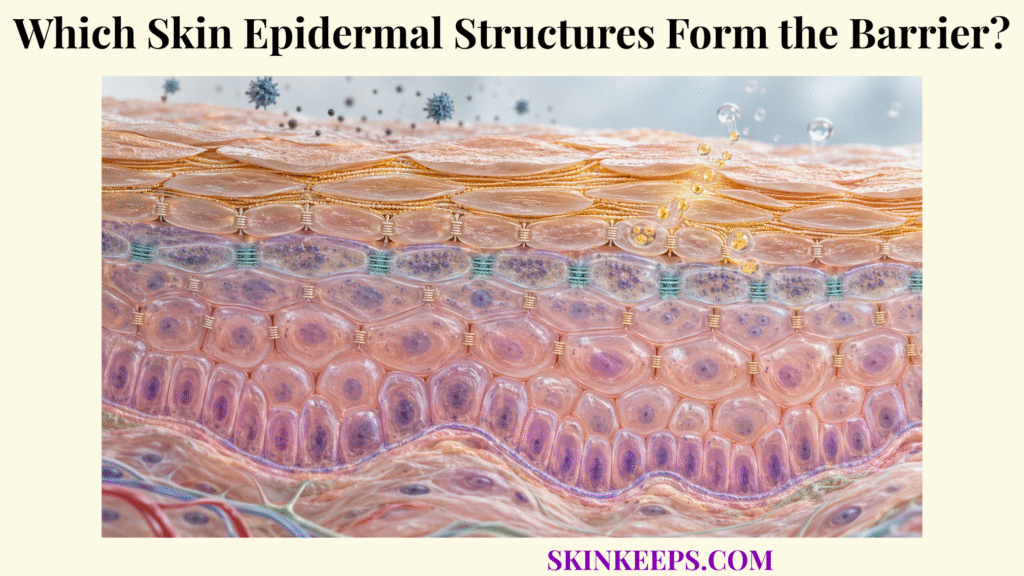
Which Skin Epidermal Structures Form the Barrier? The epidermal barrier is formed primarily by the stratum corneum’s corneocytes and extracellular lipids, reinforced by granular-layer tight junctions and continuously rebuilt through keratinocyte differentiation, lipid secretion, and controlled surface shedding. No single layer, protein, or lipid performs every barrier task. This anatomy becomes clearer when the epidermis […]
What Allows Skin Wound Repair to Stop Bleeding, Rebuild Tissue & Form Scars?
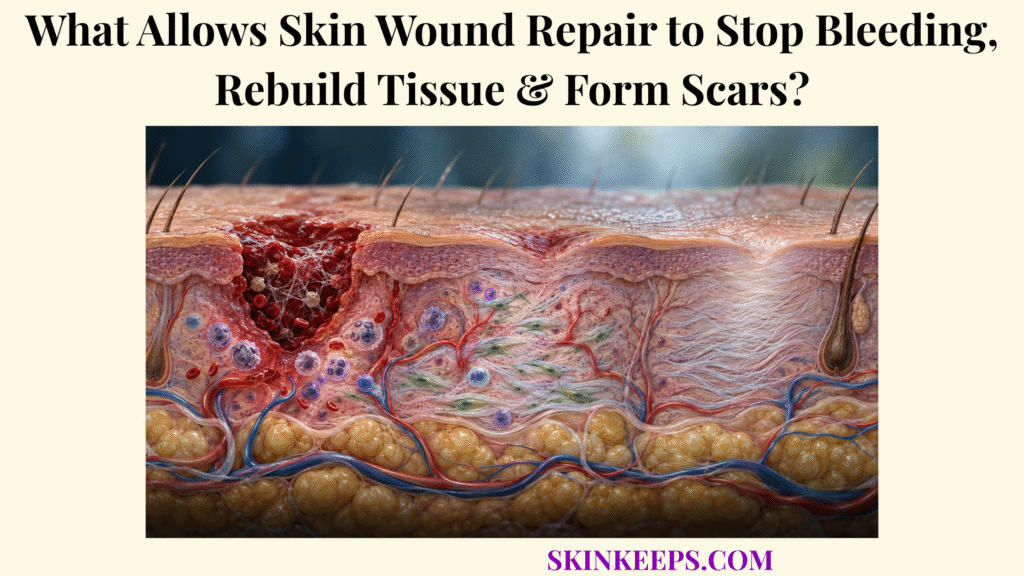
What Allows Skin Wound Repair to Stop Bleeding, Rebuild Tissue & Form Scars? Skin wound repair restores tissue continuity through four overlapping processes: hemostasis stops bleeding, inflammation clears threats and damaged material, proliferation rebuilds vascularized tissue and epidermis, and remodeling reorganizes the repair into a stronger but structurally altered scar. The wound begins repairing within […]
Why Does Skin Produce Vitamin D Through UVB-Driven Synthesis?
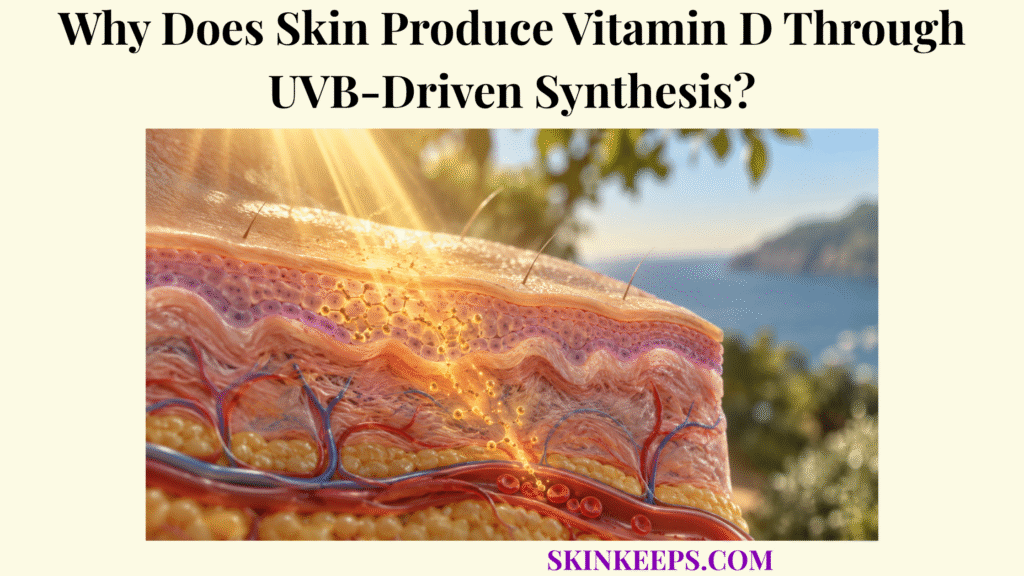
Why Does Skin Produce Vitamin D Through UVB-Driven Synthesis? Skin can produce vitamin D3 because viable epidermal keratinocytes contain 7-dehydrocholesterol, a sterol that absorbs UVB photons and undergoes photochemical conversion into previtamin D3 before heat-dependent rearrangement produces vitamin D3. The initiating chemistry occurs because precursor molecules and vitamin-D-effective UVB can meet in living epidermal tissue, […]
Which Skin Immune Systems Recognize, Signal & Balance Threats?
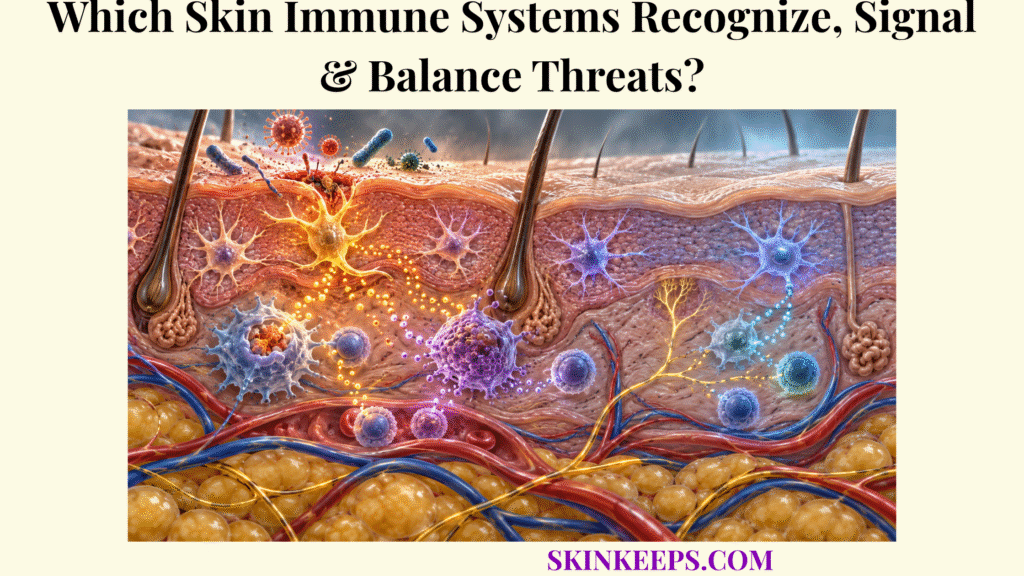
Which Skin Immune Systems Recognize, Signal & Balance Threats? Skin immunity protects the body through an integrated surveillance system in which the physical barrier limits exposure, keratinocytes and resident immune cells detect danger, signaling molecules coordinate local defense, recruited leukocytes control threats, adaptive lymphocytes add specificity and memory, and regulatory mechanisms restore immune balance. Skin […]
What Allows Skin to Detect Touch, Temperature, Pain & Pressure?
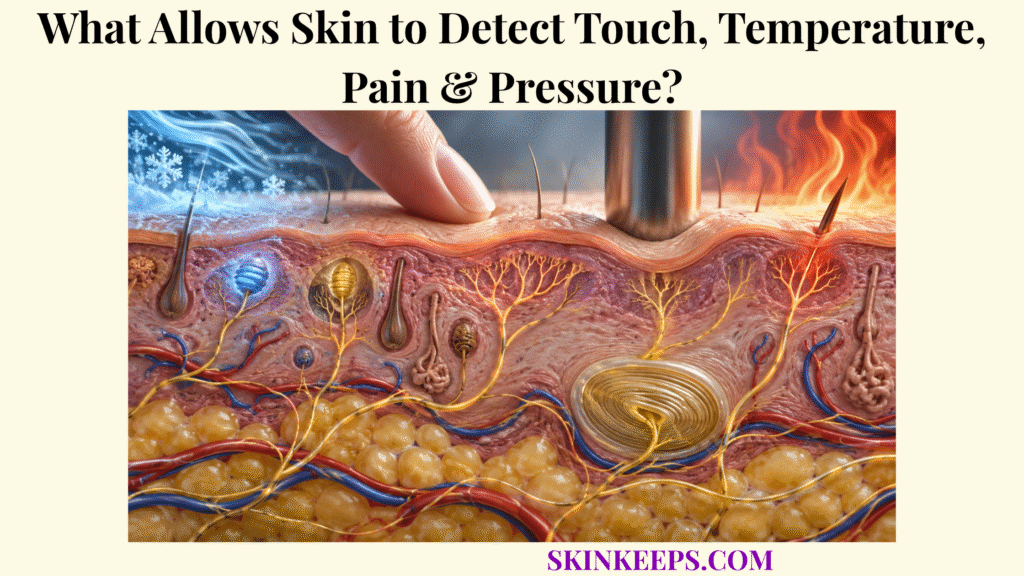
What Allows Skin to Detect Touch, Temperature, Pain & Pressure? Skin detects touch, temperature, pressure, vibration, stretch, and potentially damaging stimuli through specialized sensory nerve endings and mechanosensory structures that convert physical or chemical changes into electrical signals carried toward the spinal cord and brain. Mechanoreceptors, thermoreceptive afferents, and nociceptors begin the process, but receptor […]