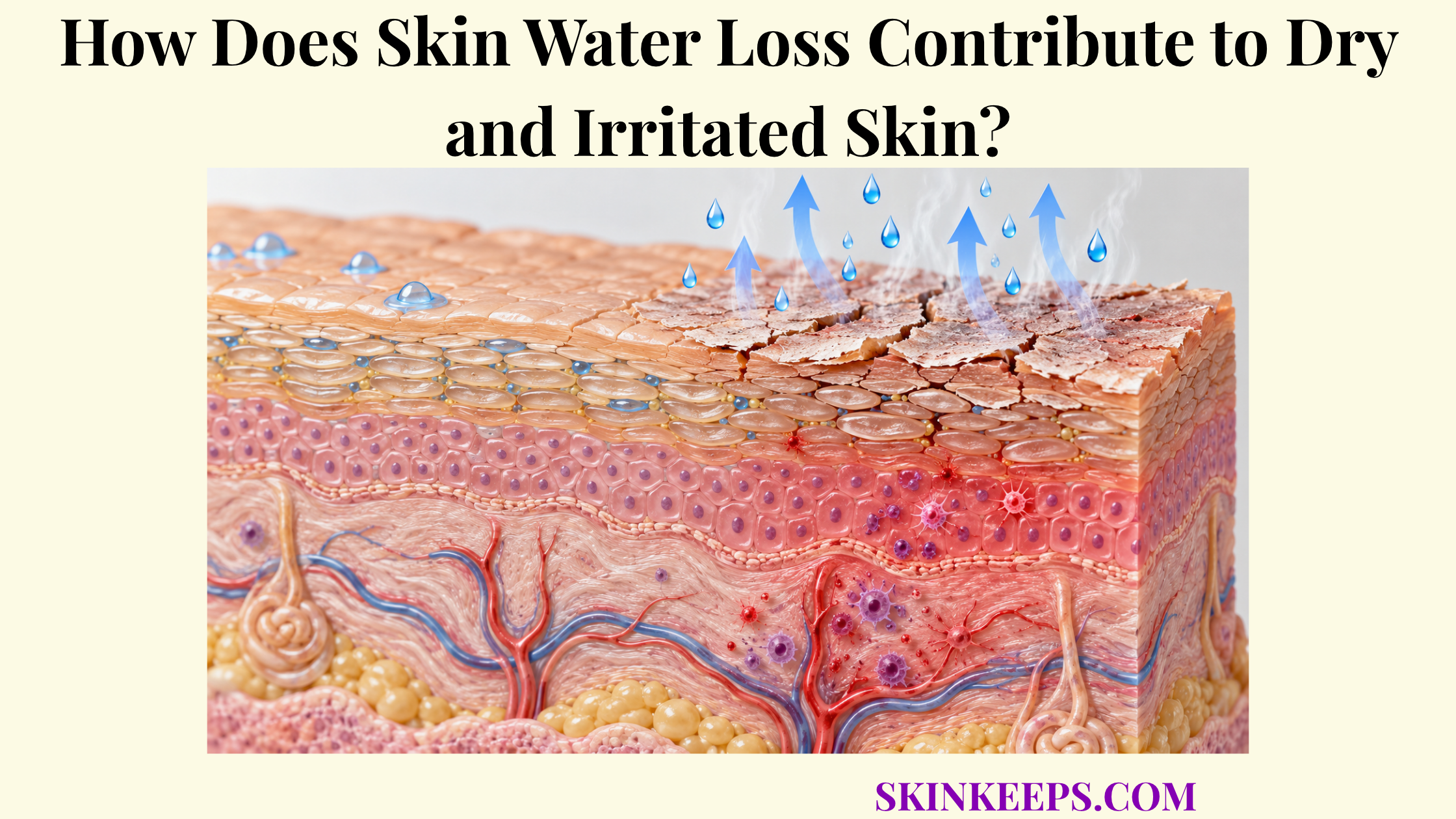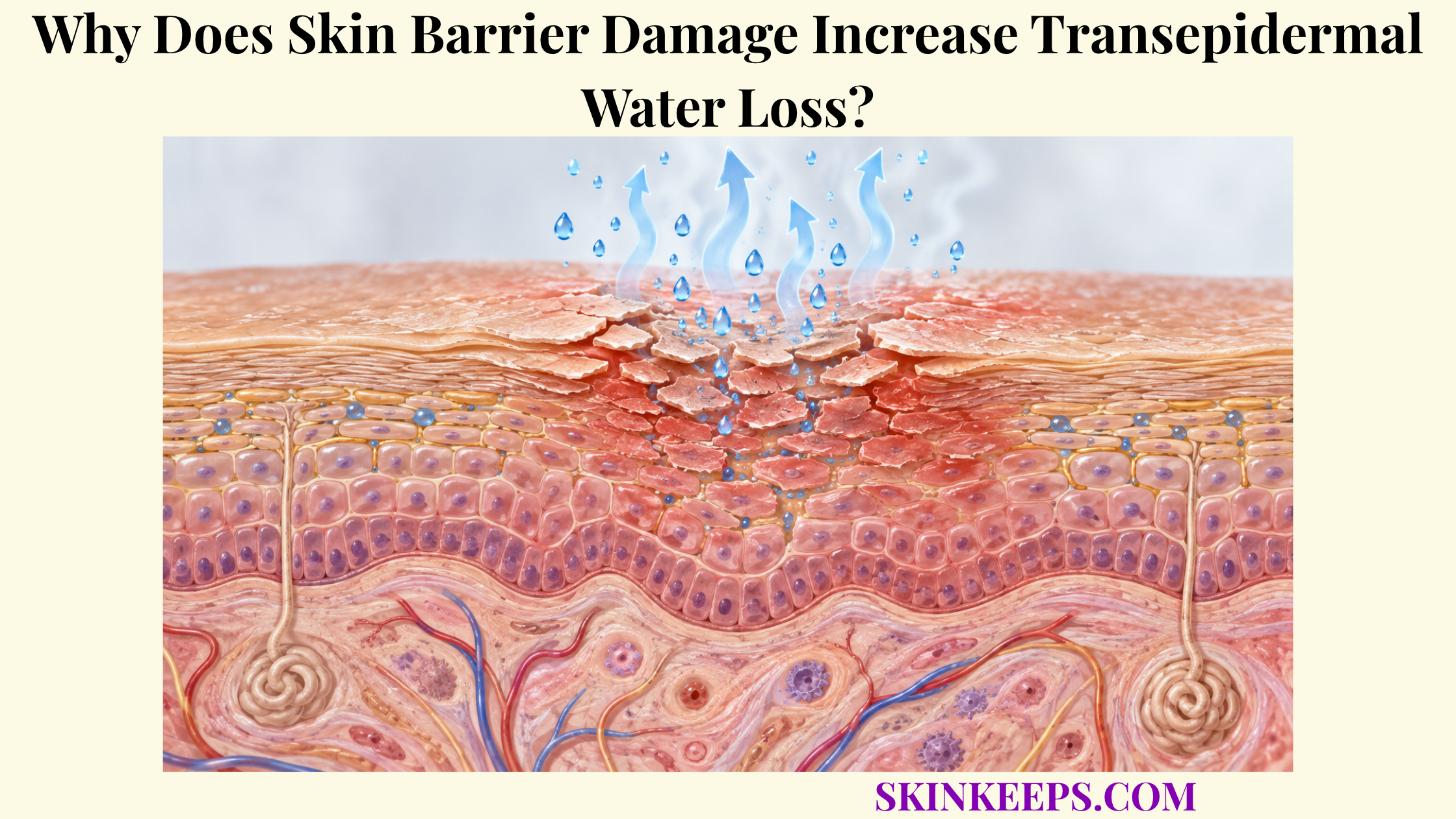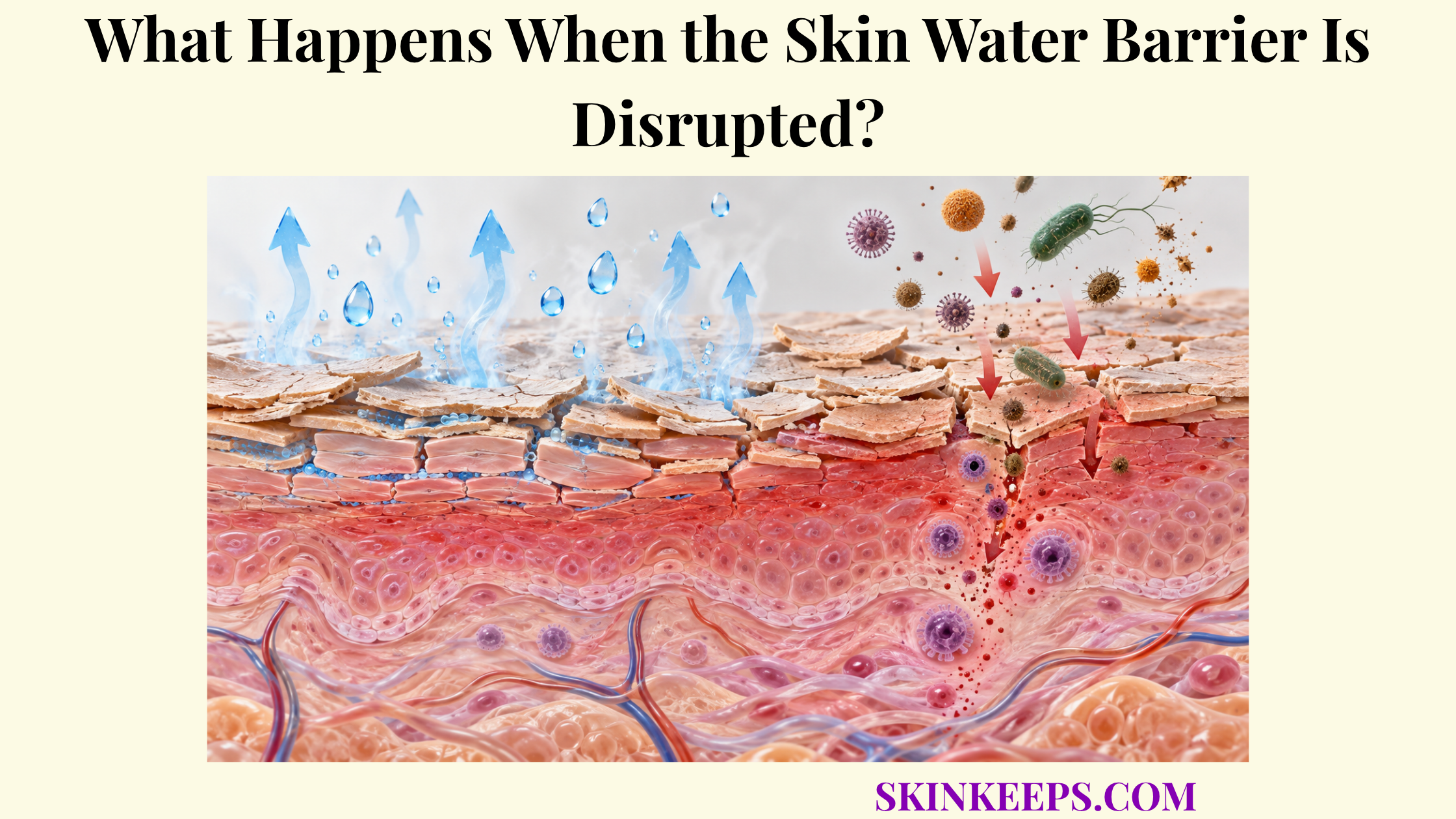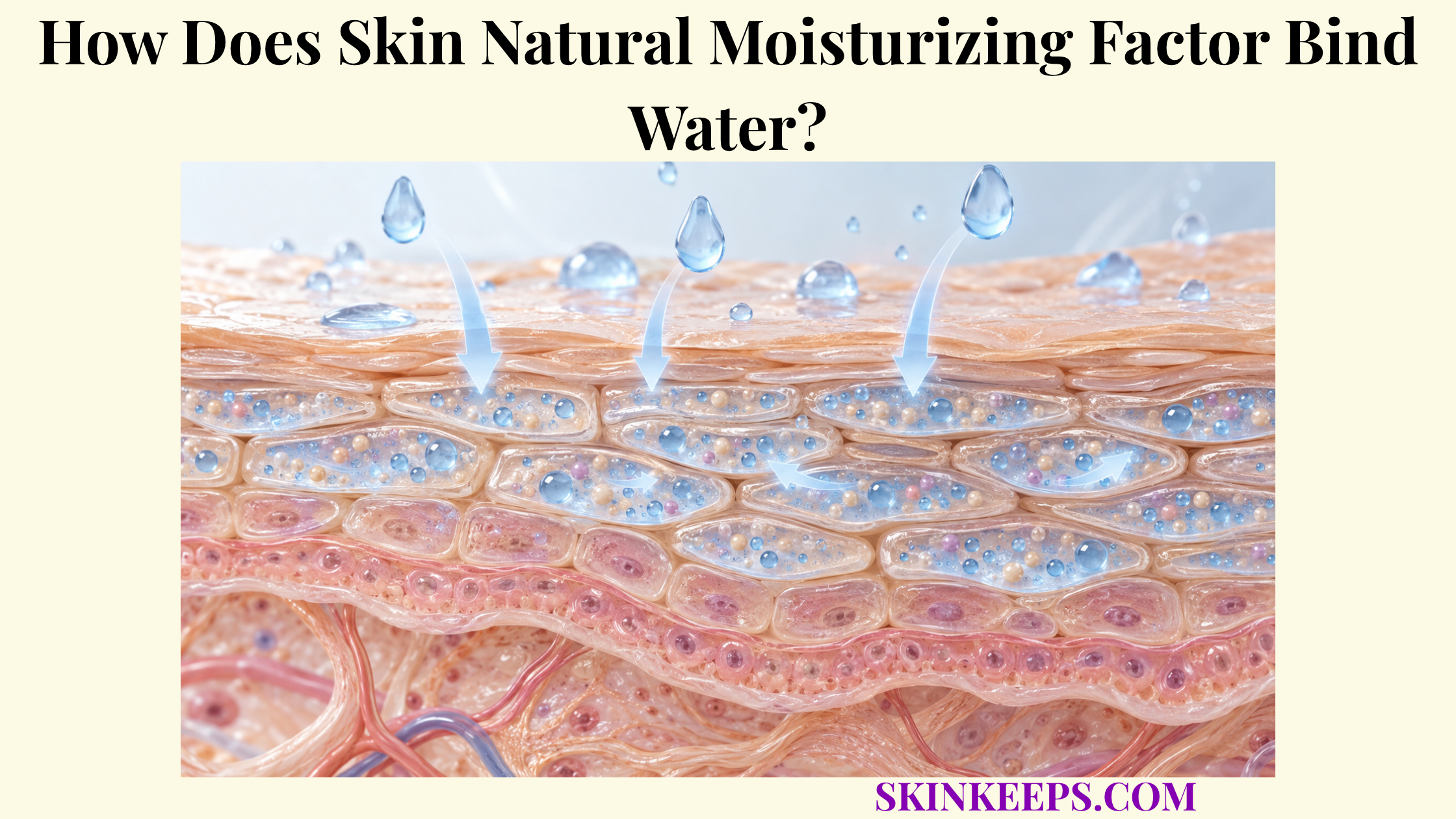
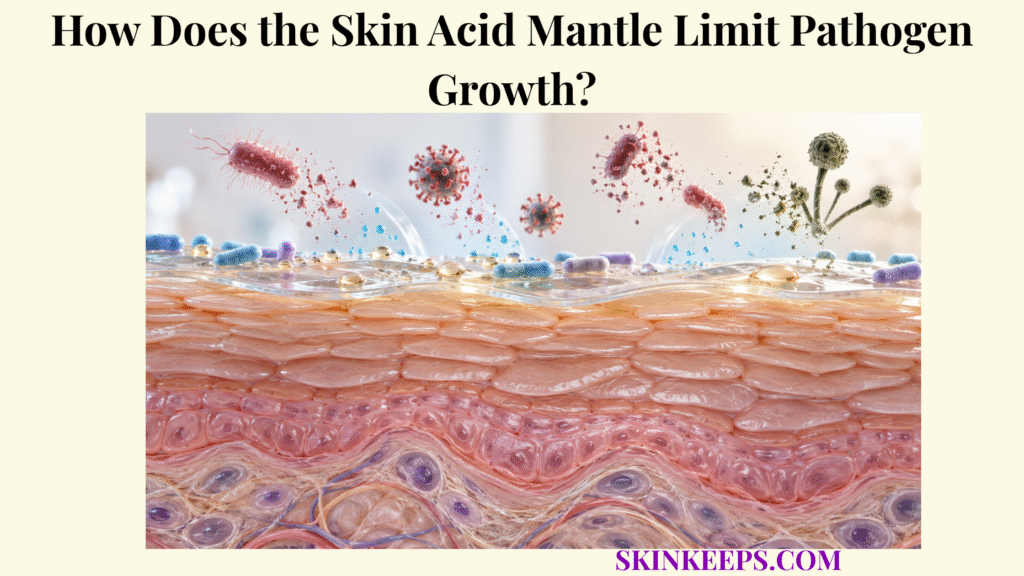
The skin acid mantle limits pathogen growth by maintaining a mildly acidic stratum-corneum environment that disadvantages selected microorganisms while supporting lipid-processing, cohesion, and microbial-ecology mechanisms that strengthen the overall barrier. It does not sterilize skin; it creates selective pressure within a surface that normally remains colonized by adapted microorganisms.
This article explains where that acidity comes from, how pH changes microbial physiology, how resident communities interact with the acidic surface, why the same chemistry regulates barrier enzymes and corneocyte cohesion, and what can happen when surface pH becomes persistently disturbed.
What Forms the Skin Acid Mantle?
The skin acid mantle forms through multiple overlapping acidification mechanisms, especially epidermal proton transport and free-fatty-acid generation, with additional contributions from filaggrin metabolites, sweat, sebum-associated fatty acids, and microbial metabolism.
The acid mantle is not a separate anatomical membrane. It is a physicochemical state concentrated at and within the outer stratum corneum, where hydrogen-ion activity, organic acids, fatty acids, epidermal chemistry, gland secretions, and microbial metabolites combine to create a mildly acidic surface. This chemical layer is one component of broader skin defenses against microorganisms and also participates in skin barrier protection.
How Does the Epidermis Generate Skin Acid Mantle Acidity?
The epidermis generates much of skin-surface acidity through endogenous processes that include NHE1-mediated proton transport and enzymatic liberation of free fatty acids from epidermal phospholipids.
NHE1, the sodium/hydrogen exchanger 1, contributes to local proton-rich microdomains near the granular–cornified interface rather than acidifying every epidermal layer uniformly. In parallel, secretory phospholipase activity can liberate free fatty acids from epidermal phospholipid precursors. Those fatty acids contribute to acidity while also participating in the lipid chemistry of the permeability barrier.
How Do Filaggrin-Derived Molecules Contribute to the Skin Acid Mantle?
Filaggrin breakdown generates acidic molecules, including PCA- and urocanic-acid-related products, that can contribute to stratum-corneum acidity and buffering capacity.
These metabolites overlap with the chemistry covered by skin natural moisturizing factors. Their contribution should be viewed as part of a multi-pathway system; current evidence does not justify treating urocanic acid as the single dominant source of the acid mantle.
How Do Sweat and Sebum Contribute to the Skin Acid Mantle?
Sweat and sebaceous secretions modify surface chemistry through organic acids, electrolytes, and lipid-derived free fatty acids that can reinforce the acidic environment created by epidermal mechanisms.
Eccrine sweat contributes lactate and other solutes. Sebaceous lipids can be hydrolyzed by host or microbial enzymes into free fatty acids. These inputs matter, but the older model in which sweat and oil alone “make” the acid mantle is too narrow because substantial acidification arises from epidermal metabolism itself.
How Do Resident Microorganisms Contribute to Skin Surface Acidity?
Resident microorganisms can modify surface acidity by metabolizing skin lipids and other substrates into fatty acids and additional organic metabolites, creating a two-way relationship between microbial ecology and skin pH.
The magnitude of that contribution varies by species, strain, body site, nutrient supply, moisture, and sebum. Microbial metabolism therefore modifies a surface environment that the epidermis is already actively regulating rather than replacing host acidification mechanisms.
How Does the Skin Acid Mantle Restrict Pathogen Growth?
The skin acid mantle restricts pathogen growth by imposing acid stress that makes the surface less favorable for selected microorganisms and forces acid-sensitive organisms to expend energy maintaining membrane, transport, enzyme, and metabolic function.
How Can Acidic Conditions Inhibit Harmful Microorganisms?
Acidic surface conditions can slow growth or reduce fitness of selected potential pathogens whose physiology is better adapted to more neutral environments.
Staphylococcus aureus provides a useful evidence example because it possesses dedicated acid-stress responses that permit survival under acidic skin-like conditions. The existence of those systems demonstrates that skin acidity is a real biological challenge, but it also demonstrates why acidity should not be described as an absolute lethal barrier.
How Does Skin Acid Mantle pH Affect Microbial Physiology?
Skin-surface pH influences microbial physiology by altering proton gradients, membrane energetics, nutrient transport, enzyme activity, gene regulation, and stress-response pathways.
Microorganisms must preserve intracellular conditions while living in an external acidic environment. That can change energy expenditure, membrane transport, metabolic pathway use, and transcriptional stress programs. The effect is broader than a simple claim that low pH “denatures pathogen enzymes.”
Why Do Microorganisms Respond Differently to the Skin Acid Mantle?
Microorganisms respond differently because species and strains possess different acid-tolerance systems, membrane compositions, transport proteins, metabolic pathways, and ecological adaptations.
Some skin residents are well adapted to acidic, salty, dry, or lipid-rich niches, while some transient or potentially pathogenic organisms face a greater physiological cost. The acid mantle is therefore selective rather than universally microbicidal.
| Acid-mantle factor | Antimicrobial / ecological effect | Barrier result |
|---|---|---|
| Mildly acidic surface pH | Disadvantages selected acid-sensitive organisms | Reduces opportunity for some pathogen expansion |
| Epidermal free fatty acids | Contribute acidity and can directly inhibit selected microbes | Connects chemical and permeability defense |
| Sweat-derived organic acids | Modify local pH and surface conditions | Adds to the selective antimicrobial environment |
| Microbial organic-acid production | Alters local niche chemistry | Can reinforce colonization resistance |
| Acid-favored host-defense chemistry | Can improve activity of selected antimicrobial processes | Strengthens chemical defense in context |
| Acid-dependent barrier enzymes | Improve ceramide processing | Preserves the physical barrier that limits microbial entry |
| Controlled protease activity | Preserves orderly corneodesmosome breakdown | Maintains stratum-corneum cohesion |
These effects vary by anatomical site, organism, host condition, and the duration and magnitude of pH change.
How Does the Skin Acid Mantle Support Beneficial Microbes?
The skin acid mantle supports health-associated resident microbial communities by creating a selective environment to which many normal skin organisms are adapted, while those residents can further resist pathogen colonization through ecological competition and antimicrobial metabolites.
Here, “beneficial” does not mean universally good. Resident or commensal organisms can be compatible with health under one set of conditions yet become pathobionts when barrier state, host immunity, microbial neighbors, or anatomical site changes.
How Are Resident Microorganisms Adapted to the Skin Acid Mantle?
Resident skin microorganisms survive the acid mantle because they possess ecological adaptations to local pH, salt, moisture, lipid availability, oxygen exposure, and nutrient scarcity.
Because those conditions differ substantially between dry, moist, and sebaceous sites, there is no single “healthy microbiome” composition that applies everywhere on the body.
How Do Acid-Adapted Resident Microbes Compete With Potential Pathogens?
Resident microorganisms can provide colonization resistance by occupying attachment sites, consuming nutrients, and producing bacteriocins, fatty acids, short-chain fatty acids, or other metabolites that inhibit competing strains.
This ecological protection is explored more fully in skin microbiome barrier defense. Protective effects are often strain-specific, so one inhibitory strain of a species should not be generalized to every member of that species.
How Do the Skin Acid Mantle and Microbiome Reinforce Each Other?
Skin pH shapes which microbes can colonize effectively, while microbial metabolism can alter fatty-acid and organic-acid concentrations at the surface, creating reciprocal feedback between the acid mantle and the microbiome.
That feedback does not mean a particular pH guarantees a particular microbial community. Moisture, sebum, body site, immune state, medications, genetics, climate, and exposure history also shape community structure.
How Does the Skin Acid Mantle Strengthen Barrier Defense?
The skin acid mantle strengthens barrier defense by maintaining pH conditions that favor key lipid-processing enzymes while restraining excessive serine-protease activity, thereby supporting extracellular lipid organization, corneocyte cohesion, and stratum-corneum integrity.
How Does the Skin Acid Mantle Support Barrier-Lipid Processing?
Acidic stratum-corneum conditions support lipid processing because β-glucocerebrosidase and acid sphingomyelinase function efficiently in acidic microenvironments and help generate ceramides from extracellular precursors.
β-glucocerebrosidase converts glucosylceramide-derived precursors toward ceramides, while acid sphingomyelinase contributes ceramides from sphingomyelin-related substrates. Their activity links skin acidity with the organization of skin intercellular lipids. Acidity is one regulator among many; it does not alone determine the amount or quality of barrier lipids.
How Does the Skin Acid Mantle Preserve Corneocyte Cohesion?
Acidic conditions help preserve orderly stratum-corneum cohesion by limiting excessive activity of kallikrein serine proteases that degrade corneodesmosomal proteins during desquamation.
KLK5 and KLK7 are not harmful enzymes. Normal protease activity is necessary to loosen superficial corneocytes so they can be shed. The barrier problem emerges when pH shifts permit excessive or mistimed proteolysis, reducing corneocyte cohesion faster than normal renewal can compensate.
How Does Stronger Barrier Integrity Reduce Microbial Entry?
When acid-dependent lipid processing and corneocyte cohesion remain intact, the stratum corneum provides greater permeability resistance and fewer structural opportunities for microorganisms or microbial products to reach viable tissue.
This chemistry therefore reinforces the stratum corneum barrier while also sustaining the lipid architecture central to the skin water barrier. Chemical and physical defense are not separate layers operating in isolation.
What Disrupts the Skin Acid Mantle?
The skin acid mantle can be disturbed when external alkalinization, harsh surfactants, repeated cleansing, occlusion, inflammation, or barrier damage shifts normal surface chemistry faster or more persistently than the skin can restore it.
How Can Alkaline Cleansing Alter the Skin Acid Mantle?
Traditional alkaline soaps can temporarily raise skin-surface pH, and repeated exposure can prolong pH elevation while also extracting or disturbing surface lipids and proteins.
Healthy skin has buffering and acidification mechanisms that can move surface pH back toward its usual site- and person-specific range after an exposure. A single wash therefore should not be described as permanently destroying the acid mantle.
Why Is Product pH Alone Not Enough to Predict Skin Barrier Damage?
A cleanser’s pH is only one determinant of its effect because surfactant chemistry, concentration, contact time, washing frequency, rinsing, and the user’s existing barrier condition also influence irritation and barrier disruption.
A low-pH formulation can still be irritating, while pH alone cannot quantify lipid extraction, protein interaction, or surfactant harshness. The physiologic target is normal homeostasis, not maximal acidity.
How Can Repeated Washing or Harsh Cleansing Disturb Surface Chemistry?
Repeated or harsh cleansing can disturb surface chemistry by repeatedly shifting pH, removing surface lipids, increasing protein interaction with surfactants, and stressing stratum-corneum barrier recovery.
Normal cleansing is not inherently damaging. Risk depends on the formulation, exposure intensity, frequency, skin site, and pre-existing barrier condition.
How Can Barrier Damage Change the Skin Acid Mantle?
Barrier damage can itself raise or alter stratum-corneum pH, creating a bidirectional relationship in which disrupted structure changes acidity while altered acidity can further impair lipid processing and cohesion.
This feedback is one reason the acid mantle should be discussed alongside skin barrier disruption rather than as an isolated surface coating.
What Happens When the Skin Acid Mantle Weakens?
When the skin acid mantle becomes persistently less acidic, microbial selection, lipid processing, protease regulation, and barrier cohesion can shift in ways that reduce normal antimicrobial and physical defense.
How Can Higher Skin Surface pH Alter Microbial Conditions?
Higher surface pH can make the skin environment more favorable for selected potential pathogens while changing competitive relationships among resident microorganisms.
This changes susceptibility; it does not prove that infection will occur. Microbial outcome still depends on exposure, organism virulence, barrier integrity, local ecology, and immune function.
How Can Higher pH Weaken Skin Barrier Lipid Processing?
Higher stratum-corneum pH can reduce the activity of acid-favored lipid-processing enzymes, potentially impairing ceramide formation and delaying normal permeability-barrier recovery.
The most relevant examples are β-glucocerebrosidase and acid sphingomyelinase. Their pH dependence helps explain why persistent alkalinization can affect more than microbial ecology.
How Can Higher pH Alter Corneocyte Cohesion?
Higher pH can increase kallikrein activity and accelerate corneodesmosome degradation, which can weaken stratum-corneum cohesion when proteolysis becomes excessive.
Normal desquamation remains essential. The issue is loss of regulation, not the existence of protease activity itself.
Why Does Acid-Mantle Weakening Not Automatically Cause Infection?
Acid-mantle weakening increases vulnerability rather than guaranteeing infection because microbial disease still requires a compatible organism, sufficient exposure or overgrowth, access to susceptible tissue, and failure of other physical or immune defenses.
| Disturbance | Immediate change | Possible downstream effect |
|---|---|---|
| Alkaline soap exposure | Temporary pH elevation | Altered enzyme and microbial conditions |
| Repeated harsh cleansing | pH plus lipid/protein disturbance | Slower barrier recovery and irritation |
| Barrier damage | Higher or less-regulated SC pH | Feedback into lipid/cohesion dysfunction |
| Persistent inflammation | Altered pH and enzyme activity | Reduced barrier homeostasis |
| Microbial ecological shift | Changed metabolic products | Further change in surface chemistry |
This compact table illustrates mechanisms only; it is not an additional primary proof asset and does not diagnose the cause of a person’s symptoms.
What Are the Key Takeaways About the Skin Acid Mantle?
The key fact about the skin acid mantle is that mild stratum-corneum acidity strengthens antimicrobial defense and physical-barrier homeostasis simultaneously, making it a chemical regulator of the skin surface rather than simply an acidic film.
- The skin acid mantle is a mildly acidic stratum-corneum environment, not a separate anatomical membrane.
- Endogenous epidermal processes make major contributions to skin acidification.
- NHE1 contributes proton-based acidification near the granular–cornified interface.
- Epidermal phospholipid processing generates free fatty acids that contribute both acidity and barrier function.
- Filaggrin-derived acids can contribute to acidity and buffering, but no single metabolite should be overstated.
- Sweat, sebum-associated fatty acids, and microbial metabolites modify the surface chemical environment.
- Acidic conditions disadvantage selected pathogens but do not sterilize skin.
- Microbial acid tolerance varies by species and strain.
- Resident microbiota contribute colonization resistance and can also influence surface chemistry.
- β-glucocerebrosidase and acid sphingomyelinase connect acidic pH with ceramide generation.
- Kallikrein regulation connects pH with controlled corneodesmosome breakdown and desquamation.
- The acid mantle strengthens physical defense by supporting lipid organization and stratum-corneum cohesion.
- Alkaline or harsh cleansing can alter surface pH, but temporary change is not the same as permanent barrier damage.
- Higher pH can increase vulnerability, but it does not automatically cause infection.
What Common Questions Do People Ask About the Skin Acid Mantle?
Common questions about the skin acid mantle focus on where skin acidity comes from, whether low pH kills pathogens, how pH affects the microbiome, and whether alkaline cleansing permanently damages the barrier.
What pH Is the Skin Acid Mantle?
Healthy skin is generally mildly acidic, commonly falling within a broad surface range around pH 4–6, but the exact value varies by body site, age, recent cleansing, sweating, environment, and measurement method, so there is no single universal ideal number.
Does the Skin Acid Mantle Kill Pathogens?
Not universally. Acidic conditions can suppress or disadvantage selected microorganisms, but many skin-adapted organisms tolerate acidity, and antimicrobial protection depends on physical, microbial, chemical, and immune defenses working together.
Is the Skin Acid Mantle Made Only From Sweat and Sebum?
No. Sweat and sebum-associated fatty acids contribute to surface chemistry, but important endogenous acidification mechanisms include NHE1 proton transport, epidermal free-fatty-acid generation, and acidic metabolites produced during epidermal differentiation.
Does the Skin Acid Mantle Help the Skin Microbiome?
Yes, in the sense that acidic surface conditions help shape which microbial species and strains can persist, while resident microorganisms can provide colonization resistance and contribute metabolites that further modify local surface chemistry.
Does Alkaline Soap Permanently Destroy the Skin Acid Mantle?
Not usually after a single exposure. Alkaline cleansing can temporarily raise skin-surface pH, but healthy skin has buffering and recovery mechanisms; repeated harsh exposure or an already impaired barrier can produce more persistent disturbance.
Stratum Corneum Acidification: How and Why? — endogenous acidification, pH-dependent ceramide enzymes, kallikrein regulation, cohesion and desquamation.
Importance of Stratum Corneum Acidification to Restore Skin Barrier Function in Eczematous Diseases — NHE1, phospholipid-derived FFAs, filaggrin-related pathways, pH gradient and barrier homeostasis.
Overcoming pH Defenses on the Skin to Establish Infections — acidic skin habitat, microbial acid stress, and S. aureus adaptation.
Skin Barrier Function: The Interplay of Physical, Chemical, and Immunologic Properties — integrated barrier model, NHE1, filaggrin nuance, ceramide enzymes and protease control.
Microbe Interactions Within the Skin Microbiome — colonization resistance, nutrient and adhesion competition, inhibitory molecules and strain-specific interactions.
The Skin Microbiome: Current Landscape and Future Opportunities — site-specific microbial ecology, barrier–microbiome interactions and host context.
Skin Cleansing Without or With Compromise: Soaps and Syndets — cleanser pH, surfactant effects, lipid/protein disturbance and the need to consider more than pH alone.
International Guidelines for the In Vivo Assessment of Skin Properties in Non-Clinical Settings: Part 1. pH — body-site, cleansing, environmental and measurement influences on skin-surface pH.
This page is educational and does not diagnose infection or barrier disease or recommend deliberate skin acidification. Seek medical evaluation for persistent severe irritation, recurrent infection, spreading redness, pus, fever, rapidly worsening lesions, or significant skin breakdown.