
Which medications are delivered at this hypodermal depth?
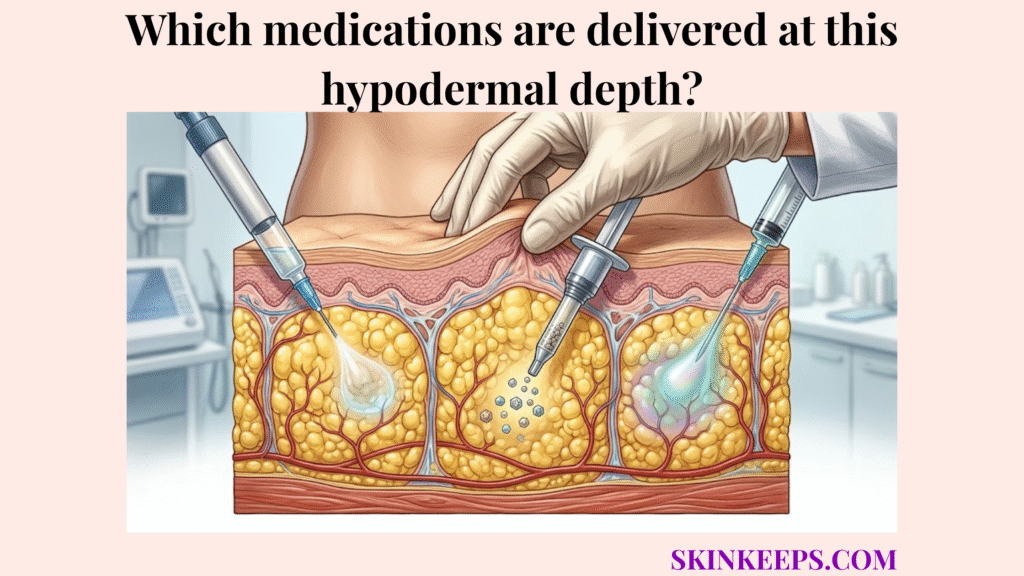
Which Medications Are Delivered at the Hypodermal Depth? | SkinKeeps Medications delivered at the hypodermal depth include selected endocrine drugs, peptide therapies, biologics, fertility hormones, growth hormone, and anticoagulants that are specifically formulated and labeled for subcutaneous tissue administration. These medications use the hypodermis because its adipose tissue, extracellular matrix, capillaries, and lymphatic pathways can […]
How does subcutaneous tissue allow slow drug absorption in the hypodermis?
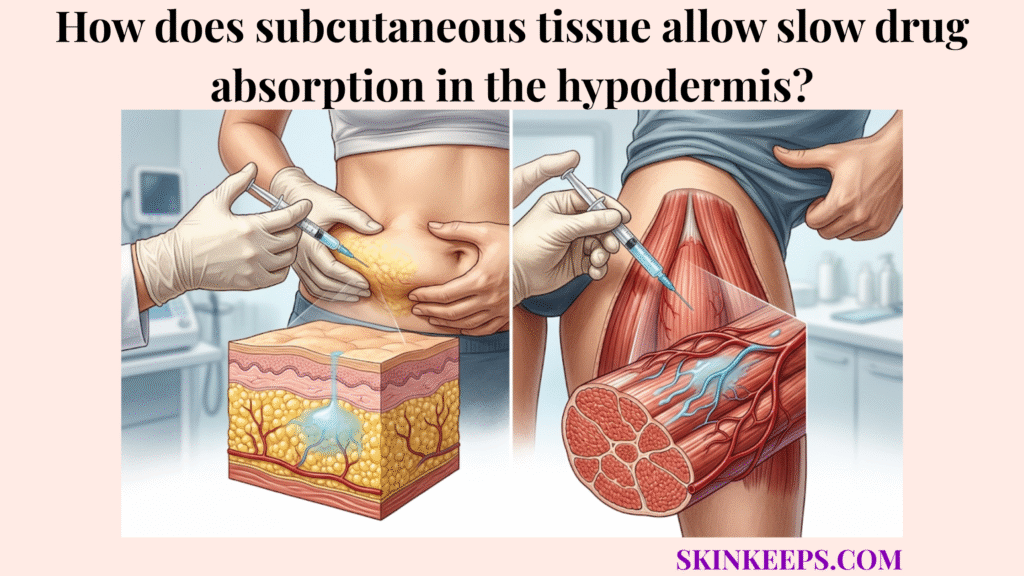
How Does Subcutaneous Tissue Allow Slow Drug Absorption in the Hypodermis? | SkinKeeps Subcutaneous tissue allows slow drug absorption in the hypodermis by making injected medication pass step-by-step through the hypodermal fat matrix, interstitial fluid, extracellular matrix, local capillaries, and sometimes lymphatic vessels before it reaches systemic circulation. This guide explains how tissue structure, local […]
Why are injections administered into the hypodermis?
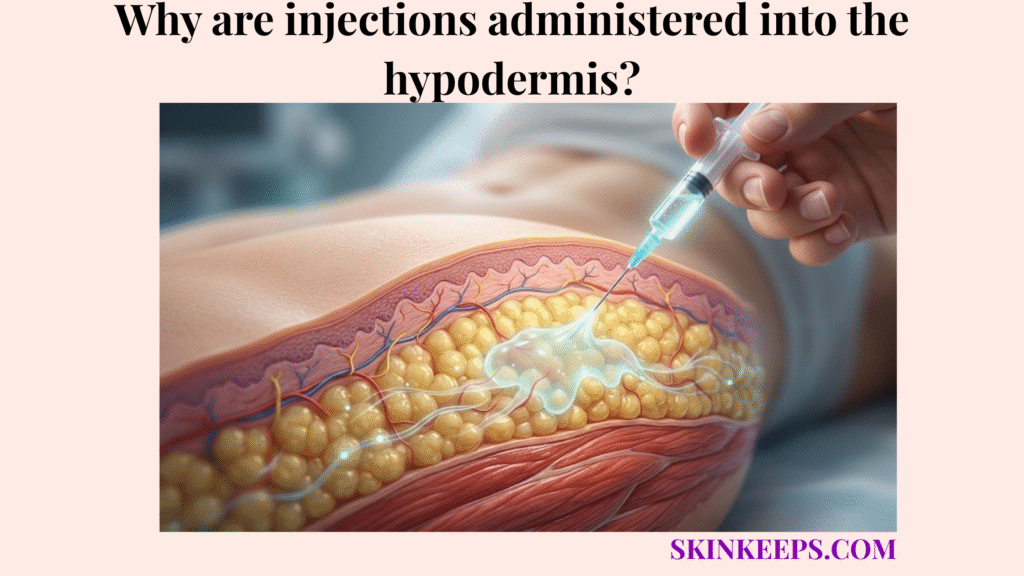
Why Are Injections Administered Into the Hypodermis? | SkinKeeps Injections are administered into the hypodermis when a medication is designed for subcutaneous tissue delivery because this layer can hold small medication volumes and release them into circulation more gradually than muscle or blood vessels. This slow absorption profile makes it the clinical standard for drugs […]
Why does anchoring weaken in the hypodermis with aging?
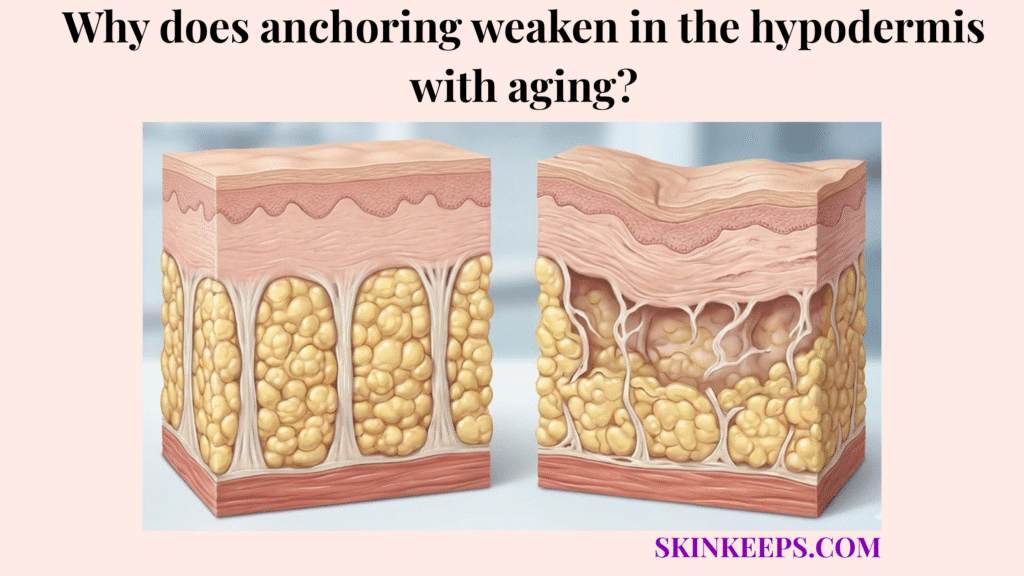
Why Does Anchoring Weaken in the Hypodermis With Aging? | SkinKeeps Hypodermal anchoring weakens with aging because collagen-rich fibrous septae, elastin fibers, fibroblast activity, and dermal-fascial support gradually lose strength, recoil, and repair capacity. This age-related weakening transforms a once-resilient subcutaneous tethering system into a more fragile, less supportive network. This guide covers the youthful […]
How does hypodermal anchoring affect skin mobility?
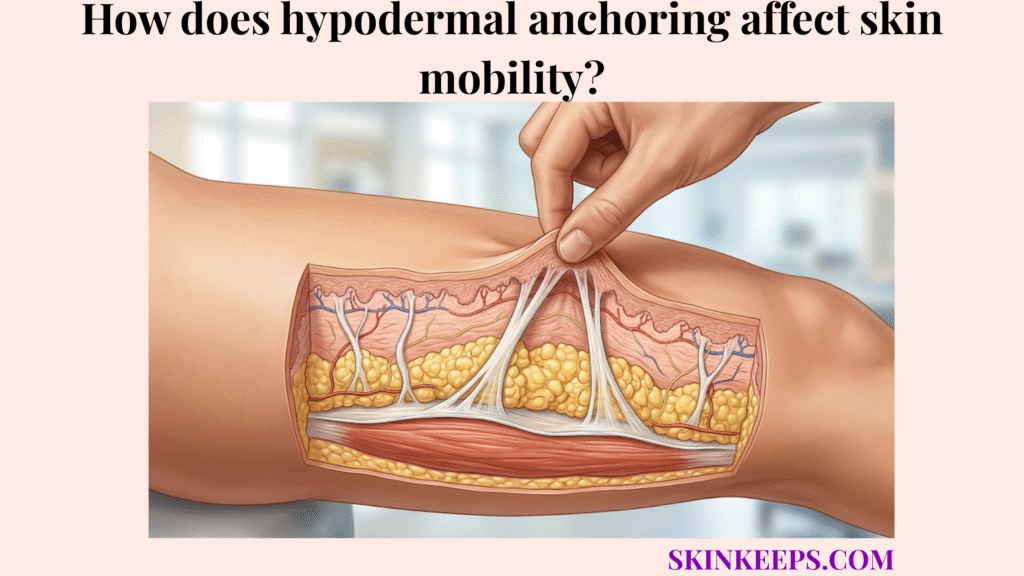
How Does Hypodermal Anchoring Affect Skin Mobility? | SkinKeeps Hypodermal anchoring affects skin mobility by keeping the skin attached to deeper structures while allowing controlled glide over muscles, tendons, joints, and fascia. This delicate balance ensures the body can move freely without tearing the superficial layers or losing mechanical support. This guide explores how subdermal […]
What are fibrous septa and how do they connect layers in the hypodermis?
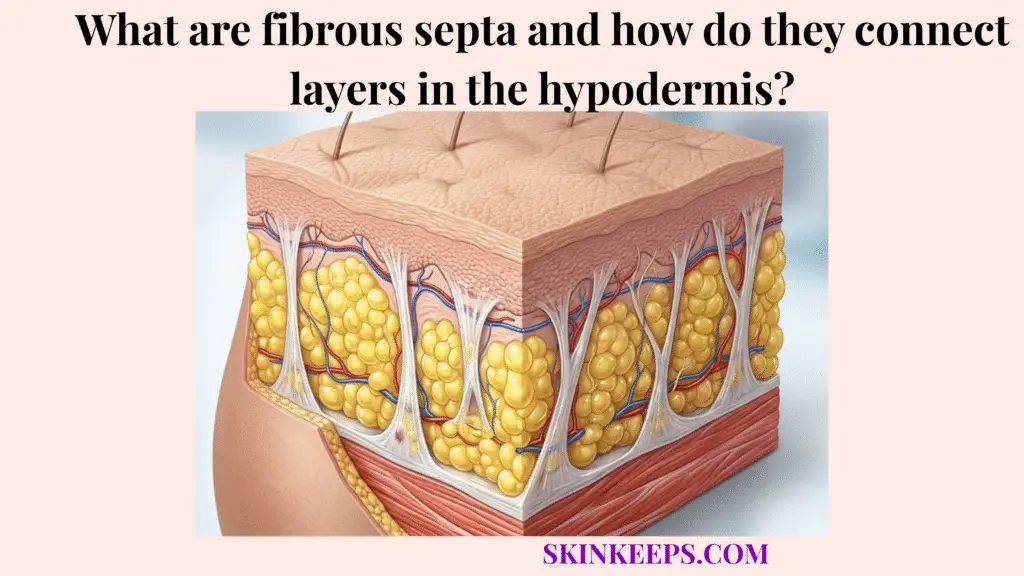
What Are Fibrous Septa and How Do They Connect Layers in the Hypodermis? | SkinKeeps Fibrous septa are collagen-rich connective tissue bands in the hypodermis that divide adipose lobules, carry vessels and nerves, and connect the dermis to deeper fascial support layers. These structures ensure the subcutaneous tissue functions as an integrated structural network rather […]
How does the hypodermis anchor the skin to deeper structures?
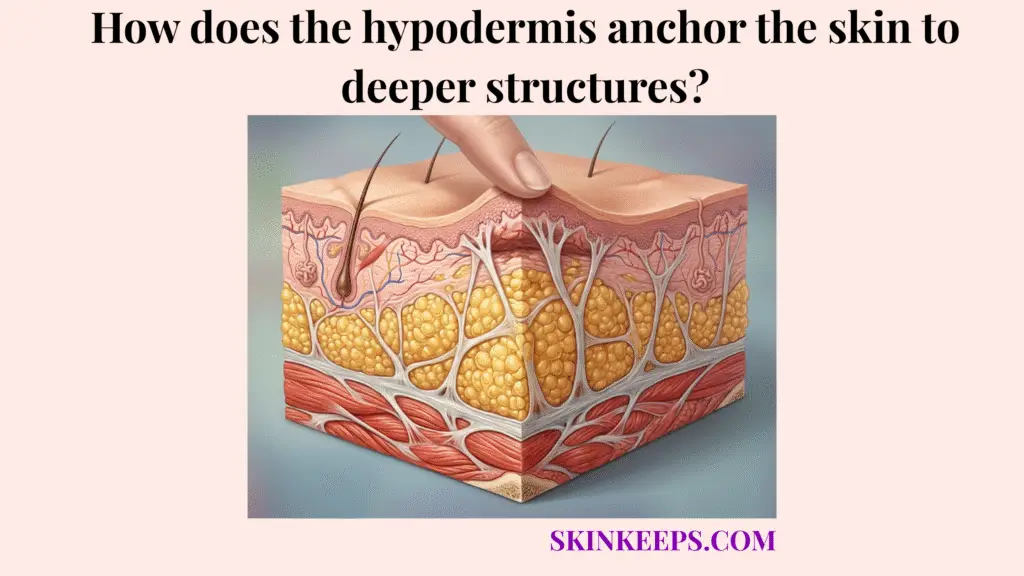
How Does the Hypodermis Anchor the Skin to Deeper Structures? | SkinKeeps The hypodermis anchors the skin to deeper structures through collagen- and elastin-rich connective tissue bands that link the dermis, subcutaneous fat, superficial fascia, and deeper fascial planes. This mechanical connection prevents the skin envelope from shifting unpredictably over the underlying anatomy. This guide […]
What happens to circulation in hypodermal tissue with cellulite?
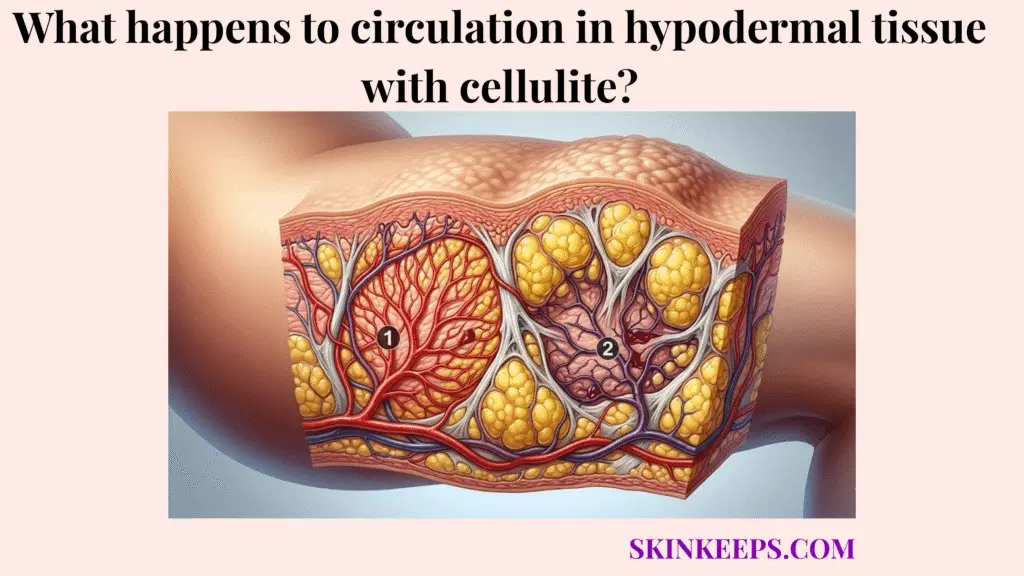
What Happens to Circulation in Hypodermal Tissue With Cellulite? | SkinKeeps Circulation in cellulite-affected hypodermal tissue may become less efficient when enlarged fat lobules, fibrous septae, and fluid pressure interfere with microvascular flow and lymphatic drainage. These structural restrictions disrupt normal angiologic tissue flow, leading to localized fluid imbalance and altered oxygenation. This physiological guide […]
How does fat protrusion alter hypodermal surface structure?
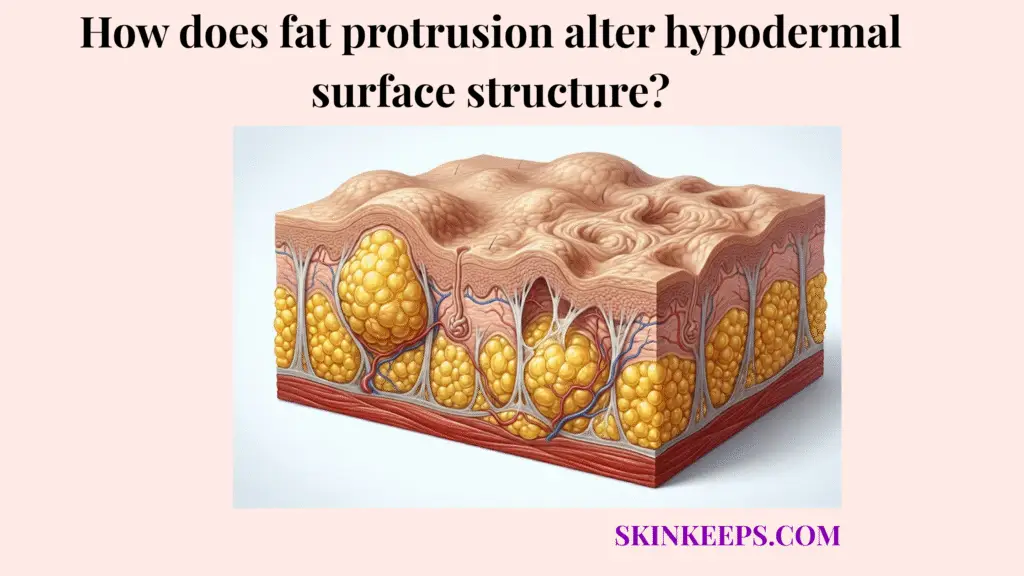
How Does Fat Protrusion Alter Hypodermal Surface Structure? | SkinKeeps Hypodermal fat protrusion alters skin surface structure when enlarged or poorly supported fat lobules press upward against the dermis, creating visible bumps, dimples, or uneven texture at the surface. This structural skin change relies heavily on the physiological balance between connective tissue restraint and upward […]
What role do fibrous septa play in hypodermal skin dimpling?
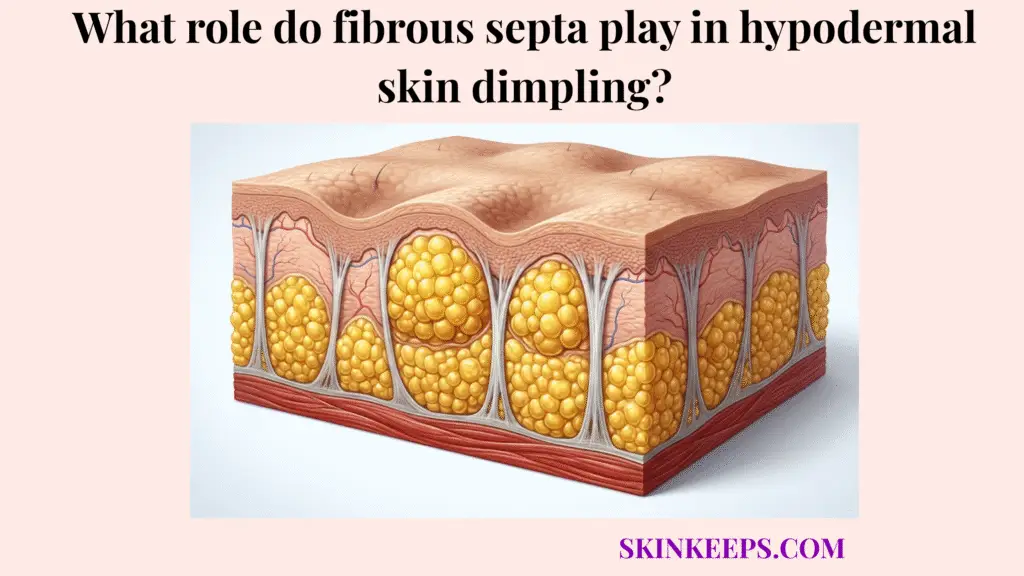
What Role Do Fibrous Septa Play in Hypodermal Skin Dimpling? | SkinKeeps Fibrous septa play a central role in hypodermal skin dimpling because these collagen-rich connective tissue bands anchor the skin to deeper structures while dividing subcutaneous fat into compartments. This anchoring creates septal tension across the dermal-fat interface, which fundamentally shapes the visible skin […]