
What role do basal keratinocytes play in epidermal cell division?
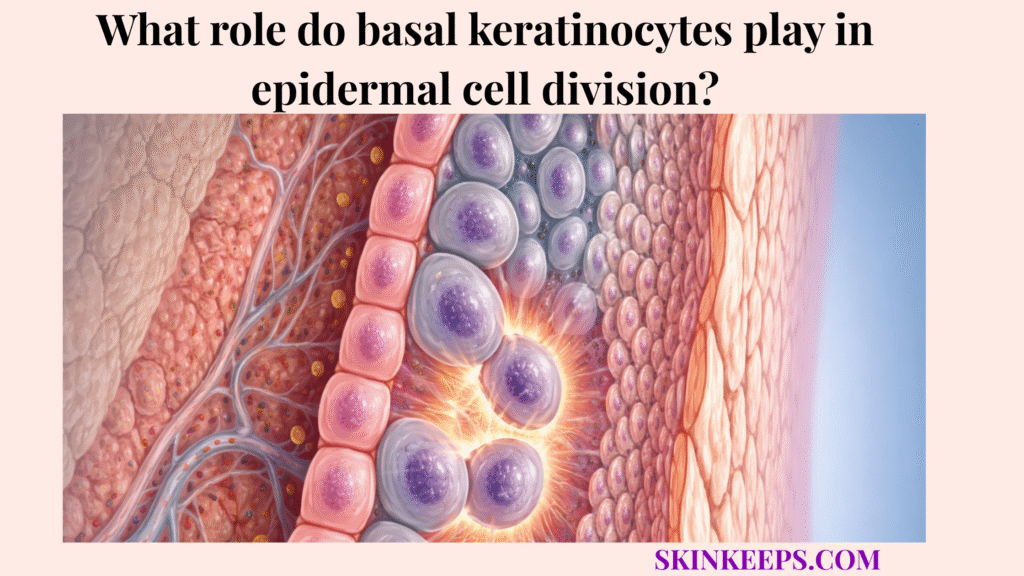
What Role Do Basal Keratinocytes Play in Epidermal Cell Division? Cellular Mechanics Explained Basal keratinocytes play the central role in epidermal cell division because they are the living, mitotically active cells that generate the entire population of fresh keratinocytes at the base of the epidermis. These vital cells function directly as the starting point of […]
Which layer of the epidermis drives continuous cell renewal?
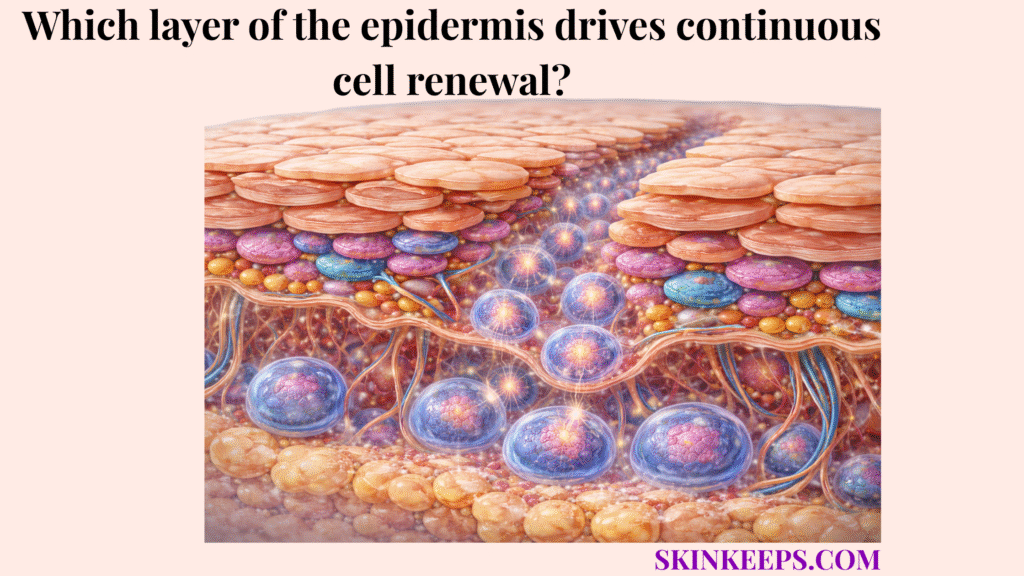
Which Layer of the Epidermis Drives Continuous Cell Renewal? The layer of the epidermis that drives continuous cell renewal is the stratum basale, the deepest epidermal layer where basal cells divide to produce new keratinocytes. This dynamic layer continuously supplies fresh cells that progressively move upward to replace older, damaged surface cells. Although many people […]
Why does barrier disruption increases TEWL in the epidermis?
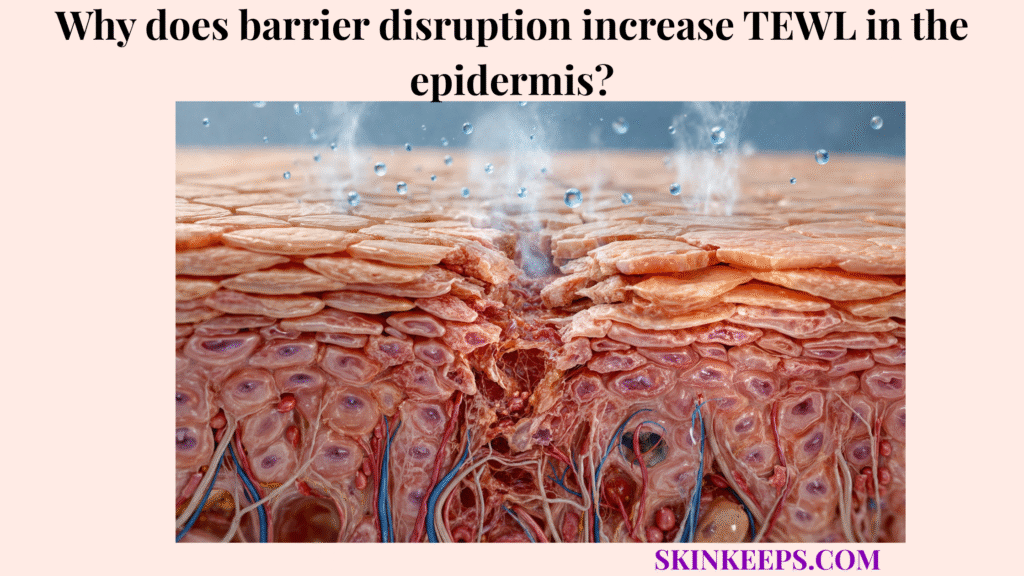
Why Barrier Disruption Increases TEWL in the Epidermis: Mechanisms and Repair Barrier disruption increases TEWL because it breaks the epidermis’s outer seal and creates more pathways for water to escape through the stratum corneum. Once the barrier is disrupted, lipid loss, corneocyte damage, and weaker water retention all combine to increase transepidermal water loss. This […]
How do corneocytes limit water evaporation in the epidermis?
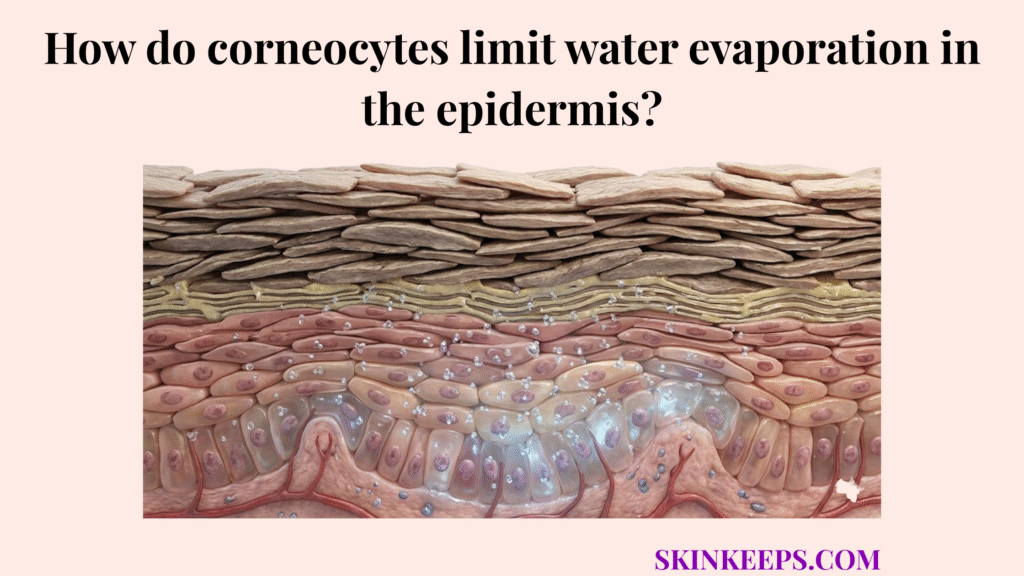
How Corneocytes Limit Water Evaporation in the Epidermis Corneocytes limit water evaporation in the epidermis by forming the tough outer cells of the stratum corneum that physically slow moisture loss and hold water-binding compounds inside the skin surface. Their hardened protein structure reduces passive water escape, while their internal natural moisturizing factors help the outer […]
What lipids form the epidermal barrier matrix?
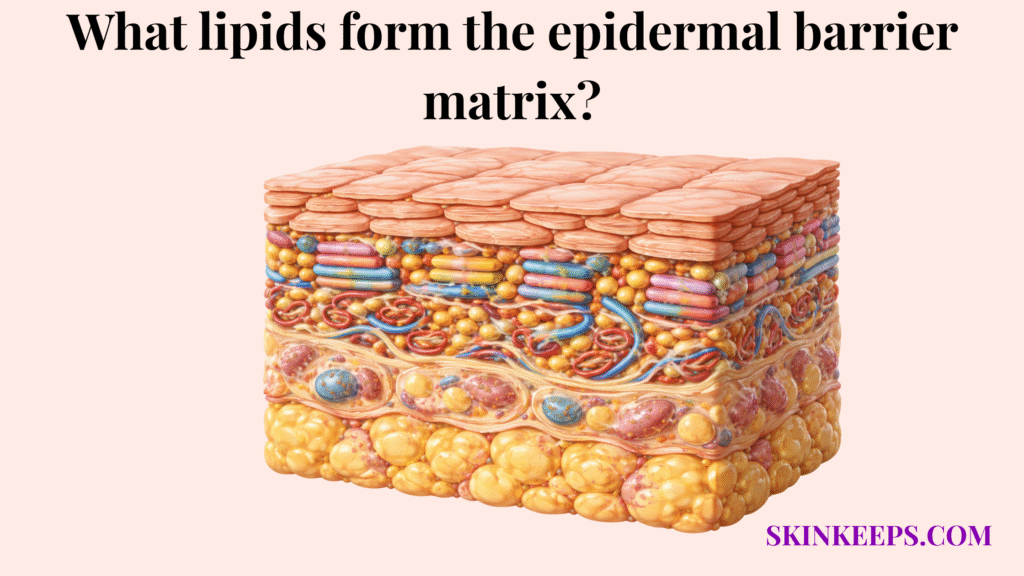
What Lipids Form the Epidermal Barrier Matrix? The epidermal barrier matrix is formed primarily by ceramides, cholesterol, and free fatty acids arranged between the outer skin cells of the stratum corneum. Together, these lipids create the skin’s waterproof seal, helping reduce transepidermal water loss and limiting the entry of irritants. The role of these three […]
How does the epidermis prevent transepidermal water loss (TEWL)?
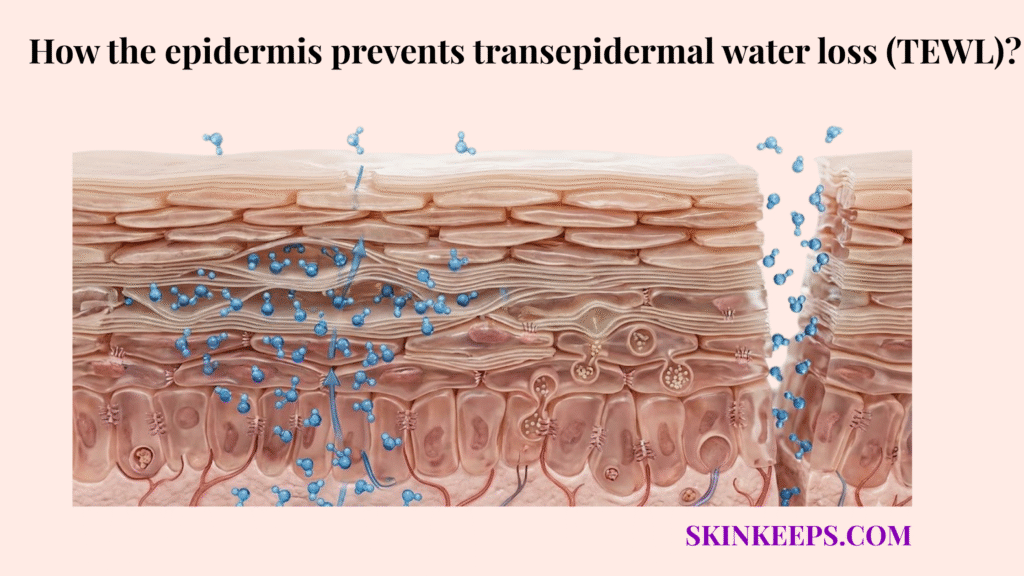
How Does the Epidermis Prevent Transepidermal Water Loss (TEWL)? The epidermis helps prevent transepidermal water loss (TEWL) by using a tightly organized barrier made of corneocytes, surface lipids, and natural moisturizing factors to slow water escape and preserve skin hydration. Some water movement through the skin is natural, but visible dehydration becomes more likely when […]
Why does the hypodermis function as adipose storage, thermal insulation, and structural anchoring?
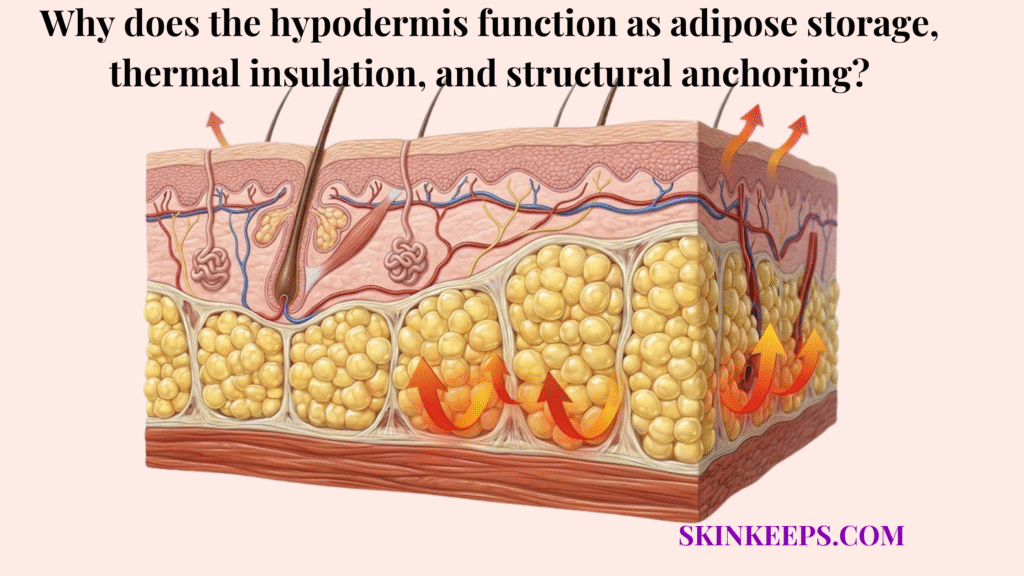
Why the Hypodermis Functions as Adipose Storage, Thermal Insulation, and Structural Anchoring The hypodermis functions as adipose storage, thermal insulation, and structural anchoring because it is the body’s deepest support layer beneath the skin. It stores energy in adipocytes, helps preserve body heat through subcutaneous fat, and anchors the skin to deeper fascia and muscle […]
How does the dermis provide connective support, sensory signaling, and tissue repair?
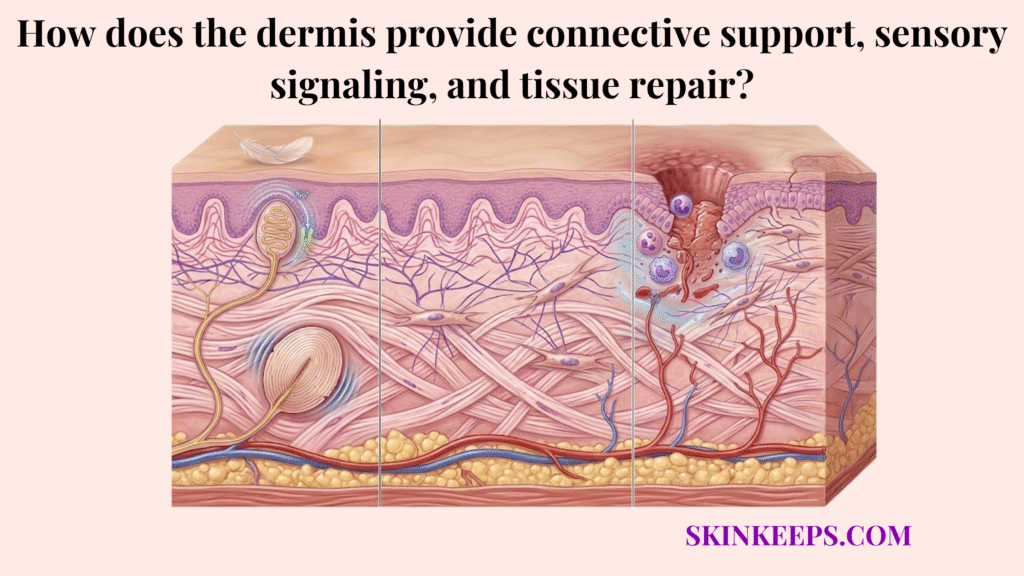
How the Dermis Provides Connective Support, Sensory Signaling, and Tissue Repair The dermis provides connective support, sensory signaling, and tissue repair by acting as the skin’s functional core layer, maintaining structural strength through collagen, enabling sensation through specialized nerve receptors, and driving wound healing through fibroblast activity. These functions directly influence visible skin health, and […]
What defines the epidermis in terms of barrier integrity, cellular turnover, and pigmentation control?
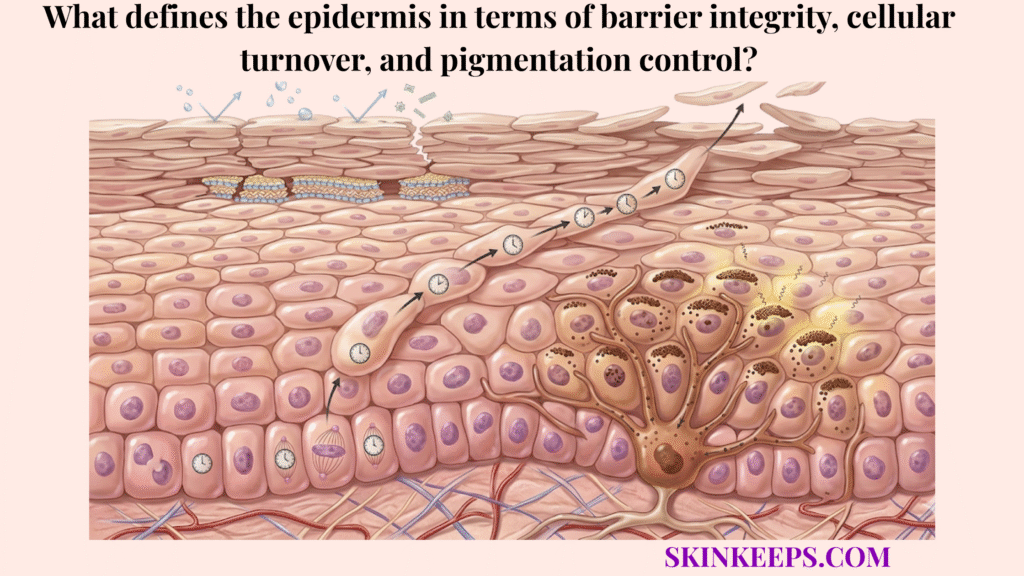
What Defines the Epidermis in Terms of Barrier Integrity, Cellular Turnover, and Pigmentation Control? The epidermis is defined by three essential functions: barrier integrity, which protects the body and reduces water loss; cellular turnover, which renews the surface; and pigmentation control, which shapes visible skin tone through melanocyte activity and melanin distribution. It is not […]
3 Main Layers of the Skin: Structure, Functions, and Changes Explained
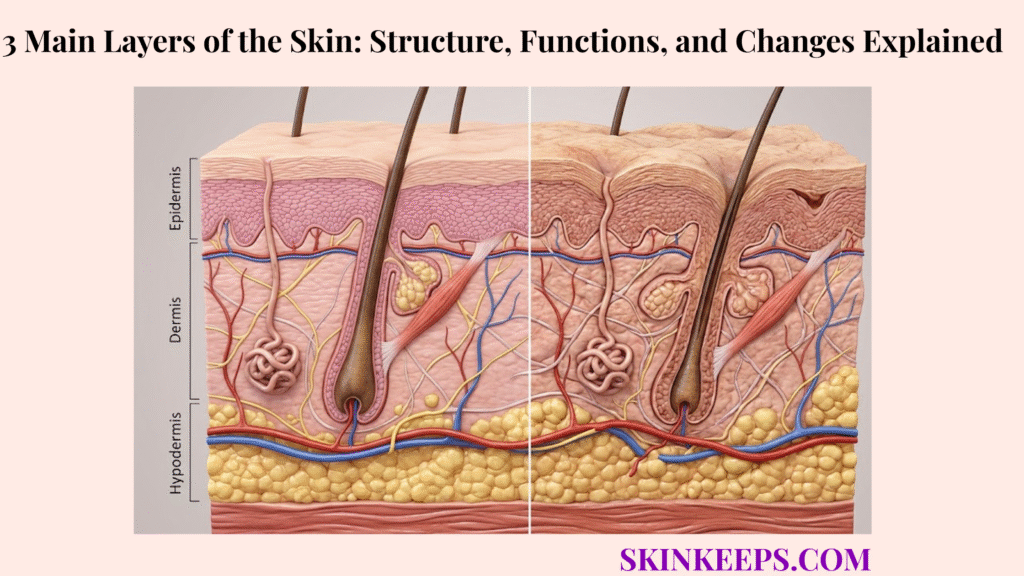
Visible skin problems such as dryness, roughness, wrinkles, and sagging are not surface-only events; they reflect biological changes occurring across the three main layers of the skin: the epidermis, the dermis, and the hypodermis. These layers of human skin operate as an integrated, complex anatomical structure. The surface defends against environmental stress and moisture loss, […]